Call: +256 702 595 926 | Email: info@bookgorillatracking.com

Bigodi Wetland Sanctuary: Birding & Nature Walks

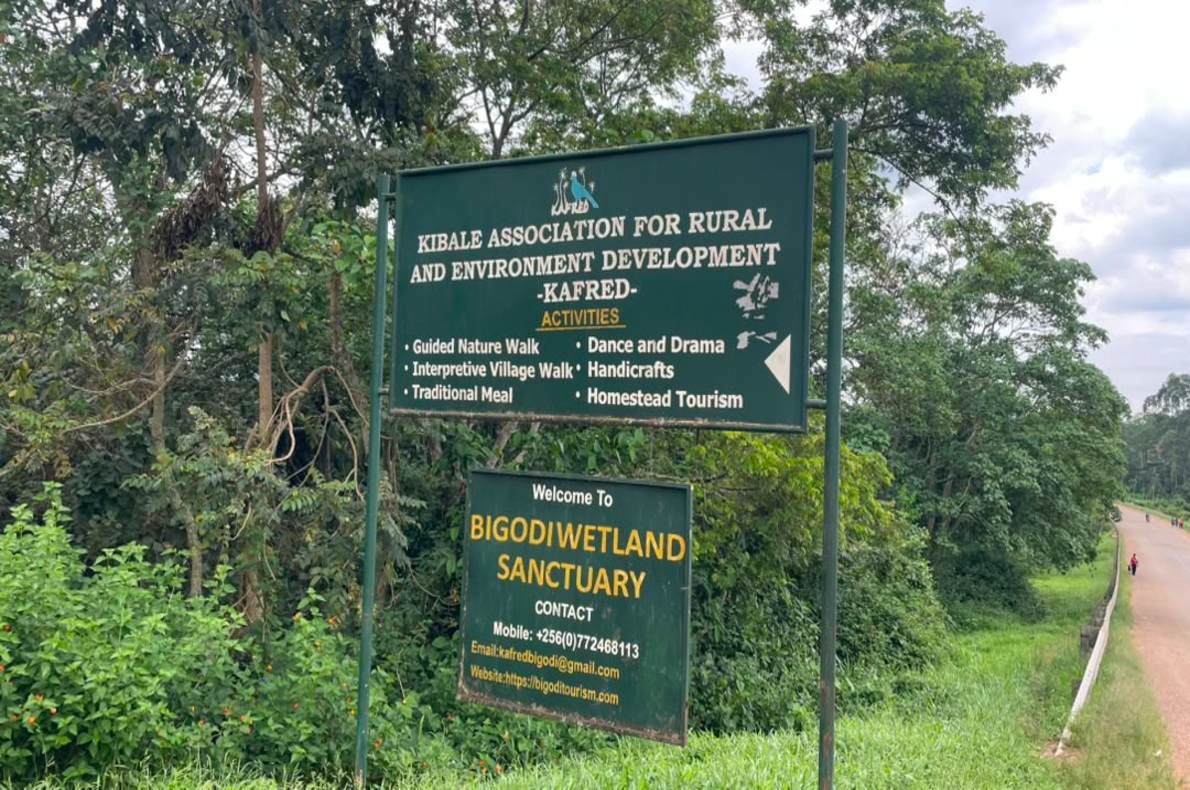
Bigodi Wetland Sanctuary, Uganda: Birdwatching, Wildlife and Community Walks
Bigodi Wetland Sanctuary is one of the best places to experience birdwatching, primate viewing and community-based tourism in western Uganda. Located beside Kibale Forest National Park, near the town of Fort Portal, this beautiful wetland offers visitors a chance to explore Uganda’s rich biodiversity on a guided nature walk while learning about the local community and its conservation efforts.
The sanctuary is especially popular with birdwatchers hoping to see the Great Blue Turaco, as well as travellers looking for additional activities before or after chimpanzee trekking in Kibale Forest. Its combination of wetland wildlife, forest-edge scenery and cultural experiences makes Bigodi a worthwhile addition to a Uganda safari.
Where Is Bigodi Wetland Sanctuary Located?
Bigodi Wetland Sanctuary is situated in Bigodi village in western Uganda, in the wider Kibale Forest area. It lies next to Kibale National Park, approximately 40 kilometres from Fort Portal, although the actual driving time depends on the route and road conditions.
The sanctuary protects Magombe Swamp, a biodiverse wetland that provides habitat for birds, monkeys and other wildlife. Its location beside Kibale Forest makes it a useful place to observe species associated with both wetland and forest environments.
Most visitors explore Bigodi as part of a western Uganda safari that includes Kibale chimpanzee trekking, Queen Elizabeth National Park, or a visit to Fort Portal and the surrounding crater lakes.
Why Visit Bigodi Wetland Sanctuary?
Bigodi is more than a scenic swamp. It is a community-based ecotourism destination where guided walks help visitors understand the relationship between wildlife conservation and local livelihoods.
Highlights include:
- Birdwatching: Look for the Great Blue Turaco, kingfishers, hornbills and other wetland and forest-edge birds.
- Primate viewing: Watch for monkeys such as black-and-white colobus, red-tailed monkeys, blue monkeys and grey-cheeked mangabeys.
- Guided nature walks: Explore wetland trails and boardwalks with a knowledgeable local guide.
- Cultural experiences: Learn about local traditions, traditional plant knowledge and everyday village life.
- Community tourism: Support local guides, artisans and community development through your visit.
The sanctuary is managed through local conservation initiatives, including the Kibale Association for Rural and Environmental Development (KAFRED). Tourism helps connect wetland protection with community benefits.
Birdwatching at Bigodi Wetland Sanctuary
Birdwatching is one of the main reasons to visit Bigodi. The sanctuary is known for its varied birdlife, with more than 200 species reported in the wetland and surrounding habitats.
The star attraction for many visitors is the Great Blue Turaco, a striking bird with colourful plumage that is often a highlight of birding trips in the Kibale area. Depending on the season, habitat conditions and luck, visitors may also encounter hornbills, kingfishers, parrots, cranes and other forest-edge or wetland species.
A local guide can help identify birds by their calls, colours, behaviour and preferred habitats. This makes the walk valuable for experienced birders as well as travellers who are new to birdwatching.
For birdwatchers planning a longer Uganda trip, Bigodi can be combined with Kibale Forest, Semuliki National Park, Queen Elizabeth National Park and other birding destinations in western Uganda.
Birding tip: Early morning is often productive for bird activity. Tell your guide if you have a particular bird list or target species so the walk can be tailored to your interests.
Primate Viewing at Bigodi Wetland Sanctuary
Although Kibale Forest is famous for chimpanzees, Bigodi offers a different opportunity to observe primates in a wetland setting.
Species reported in the area include:
- Black-and-white colobus monkeys
- Red colobus monkeys
- Red-tailed monkeys
- Blue monkeys
- Grey-cheeked mangabeys
- Vervet monkeys
- Olive baboons
- L’Hoest’s monkeys
Sightings are never guaranteed, as these are wild animals moving freely through their habitat. The number of species seen will depend on the time of day, weather and animal movements.
Bigodi is not a replacement for a chimpanzee trekking experience in Kibale Forest National Park. Instead, it is a complementary activity that adds birdwatching, wetland ecology and opportunities to see other primates to your Uganda safari.
Guided Nature Walk at Bigodi Wetland Sanctuary
The guided wetland walk is the main activity at Bigodi. Visitors follow established trails and boardwalks through wetland vegetation, with stops to observe birds, monkeys, plants and other natural features.
The walk commonly takes around two to three hours, depending on the route, wildlife sightings and pace of the group. A local guide explains the wetland ecosystem and helps visitors spot wildlife that might otherwise go unnoticed.
You should wear comfortable walking shoes with good grip, particularly after rain, when trails may be muddy or slippery. Lightweight, breathable clothing, drinking water, insect repellent and binoculars are useful additions to your day pack.
Visitors should remain with their guide and follow the designated paths to help protect the wetland and minimise disturbance to wildlife.
Cultural Experiences in Bigodi Village
A visit to Bigodi can also include a guided cultural or community walk. This experience introduces travellers to local life beyond the wildlife attractions.
Depending on the arrangement, visitors may learn about traditional plant uses and local medicine, hear stories about customs and family life, visit community locations, or meet residents involved in local crafts and other activities.
These experiences provide context for understanding the community that lives alongside Kibale Forest and the wetland. They also offer opportunities to support local guides and craft producers directly.
If you are interested in traditional knowledge, village life or locally made handicrafts, tell your safari operator when planning your visit so the appropriate activity can be arranged.
How Bigodi Wetland Sanctuary Supports Conservation
Bigodi is an example of how community-based tourism can help support conservation outside a national park. KAFRED was established in 1992 to promote wetland conservation while creating benefits for the surrounding community.
Tourism income has helped support community initiatives, including education and other local development projects. Local guiding, craft sales and visitor services also create opportunities for people living in the area.
By choosing a guided visit, respecting wildlife and purchasing crafts directly from local producers where possible, travellers can contribute to a more responsible tourism experience.
Best Time to Visit Bigodi Wetland Sanctuary
Bigodi Wetland Sanctuary can be visited throughout the year. The best time depends on whether you prioritise comfortable walking conditions, birdwatching or combining the sanctuary with chimpanzee trekking.
Dry seasons
The relatively drier periods, generally from June to August and December to February, can offer more comfortable walking conditions. Trails may be easier to navigate, although rain is still possible in this tropical region.
Rainier seasons
The wetter periods, often around March to May and September to November, can make trails muddy. However, the wetland remains attractive, and the surrounding vegetation can be lush. Bird activity and sightings vary with weather and season.
For the best experience, plan your walk for early morning or later in the afternoon, and confirm the available start times with the local sanctuary team before travelling.
Bigodi Wetland Sanctuary Entrance Fees
The cost of visiting Bigodi depends on the activity, visitor category and current rates set by the local operator. The sanctuary’s published booking information has listed different fees for international visitors, expatriates or residents, and Ugandan citizens, but rates can change.
For an accurate quote, confirm the current fee for your nationality and whether you want a guided wetland walk, a cultural village walk or both.
The wetland walk is a community-managed activity and is separate from the Uganda Wildlife Authority chimpanzee trekking permit for Kibale Forest National Park. If you are booking both experiences, make sure the costs are itemised separately in your safari quotation.
Bigodi Wetland Sanctuary and Kibale Chimpanzee Trekking
Bigodi is one of the easiest activities to combine with chimpanzee trekking in Kibale Forest. Many visitors arrange the chimpanzee trek in the morning and the wetland walk later in the day, provided the timing, travel arrangements and their energy levels allow.
A simple plan is:
- Morning: Chimpanzee trekking in Kibale Forest National Park.
- Afternoon: Guided walk at Bigodi Wetland Sanctuary.
- Evening: Return to your lodge for relaxation and dinner.
Alternatively, you can visit Bigodi the day before your chimpanzee trek, particularly if you prefer a more relaxed pace or want extra time for birdwatching.
Chimpanzee trekking and habituation are separate experiences with different permit arrangements. Bigodi does not require a chimpanzee trekking permit, but visitors should book the sanctuary walk and confirm its current charges with the local operator.
Sample 3-Day Kibale Forest and Bigodi Itinerary
Day 1: Travel to Kibale Forest
Travel to the Kibale Forest area from Fort Portal or another destination in western Uganda. Depending on your arrival time, you may visit the crater lakes around Fort Portal or relax at your lodge.
Overnight near Kibale Forest.
Day 2: Chimpanzee Trekking and Bigodi Wetland Sanctuary
Start with chimpanzee trekking in Kibale Forest National Park. After lunch and a suitable break, visit Bigodi Wetland Sanctuary for a guided walk focused on birds, monkeys and wetland ecology.
Overnight near Kibale Forest.
Day 3: Birdwatching or Cultural Walk and Departure
Depending on your interests and onward route, arrange an additional birdwatching session, a cultural village walk or a relaxed morning before continuing to Queen Elizabeth National Park or another destination.
This itinerary can be adjusted to suit birders, families, photographers and travellers planning a longer Uganda safari.
What to Pack for a Bigodi Wetland Walk
For a comfortable visit, consider packing:
- Comfortable walking shoes with good grip
- Lightweight clothing suitable for warm, humid conditions
- A light rain jacket
- Binoculars for birdwatching
- A camera with a suitable lens
- Drinking water
- Insect repellent
- Sun protection
- A small day pack
Avoid littering, feeding wildlife or leaving designated trails. Follow your guide’s instructions, especially when observing monkeys and birds.
Frequently Asked Questions About Bigodi Wetland Sanctuary
Is Bigodi Wetland Sanctuary worth visiting?
Yes. Bigodi is particularly worthwhile for birdwatchers, nature lovers and travellers visiting Kibale Forest. Its guided wetland walk and community experiences provide a different perspective from chimpanzee trekking alone.
How long does the Bigodi Wetland walk take?
Allow approximately two to three hours for the guided nature walk. The duration may vary depending on the route, wildlife sightings and your interests.
Can I see chimpanzees at Bigodi Wetland Sanctuary?
Chimpanzees may occasionally move through the wider area, but Bigodi is not the designated chimpanzee trekking experience. For a planned chimpanzee encounter, book a trek in Kibale Forest National Park.
What is Bigodi Wetland Sanctuary famous for?
Bigodi is known for birdwatching, especially sightings of the Great Blue Turaco, its variety of primates, guided nature walks and community-based conservation.
Can I visit Bigodi and Kibale Forest on the same day?
Yes. Many visitors combine a morning chimpanzee trek in Kibale Forest with an afternoon walk at Bigodi. Allow enough time for the trek, lunch, travel and rest, and confirm the schedule with your operator.
Does the Bigodi visit support the local community?
Community-based tourism initiatives help support local guiding, craft producers and community development activities. Visiting responsibly helps sustain the link between tourism, local livelihoods and wetland conservation.
Include Bigodi Wetland Sanctuary in Your Uganda Safari
Bigodi Wetland Sanctuary is a rewarding addition to a Uganda safari, especially for travellers interested in birdwatching, primates, nature walks and authentic community experiences. Located beside Kibale Forest National Park, it offers a relaxed way to explore the region’s biodiversity while learning about local conservation efforts.
At Raptors africa Safaris we can include Bigodi Wetland Sanctuary in a tailor-made Uganda itinerary alongside chimpanzee trekking in Kibale Forest, gorilla trekking in Bwindi Impenetrable National Park, wildlife safaris in Queen Elizabeth National Park and birdwatching across western Uganda.
Contact Raptors africa safaris to plan your Bigodi Wetland Sanctuary visit and combine it with the experiences that best suit your interests, travel dates and budget.
[…] Bigodi Wetland Sanctuary is one of the most popular excursions near Kibale National Park. Located outside the national park, it is known for its wetland vegetation, birdlife, monkeys and community-based tourism. […]
[…] Experience the extraordinary chimpanzee habituation experience, followed by a guided walk through Bigodi Wetland Sanctuary. In Queen Elizabeth National Park, enjoy thrilling game drives and a boat cruise along the […]