+256-702 595 926 | info@bookgorillatracking.com

Royal Mile Buganda: History, Culture & Things to See

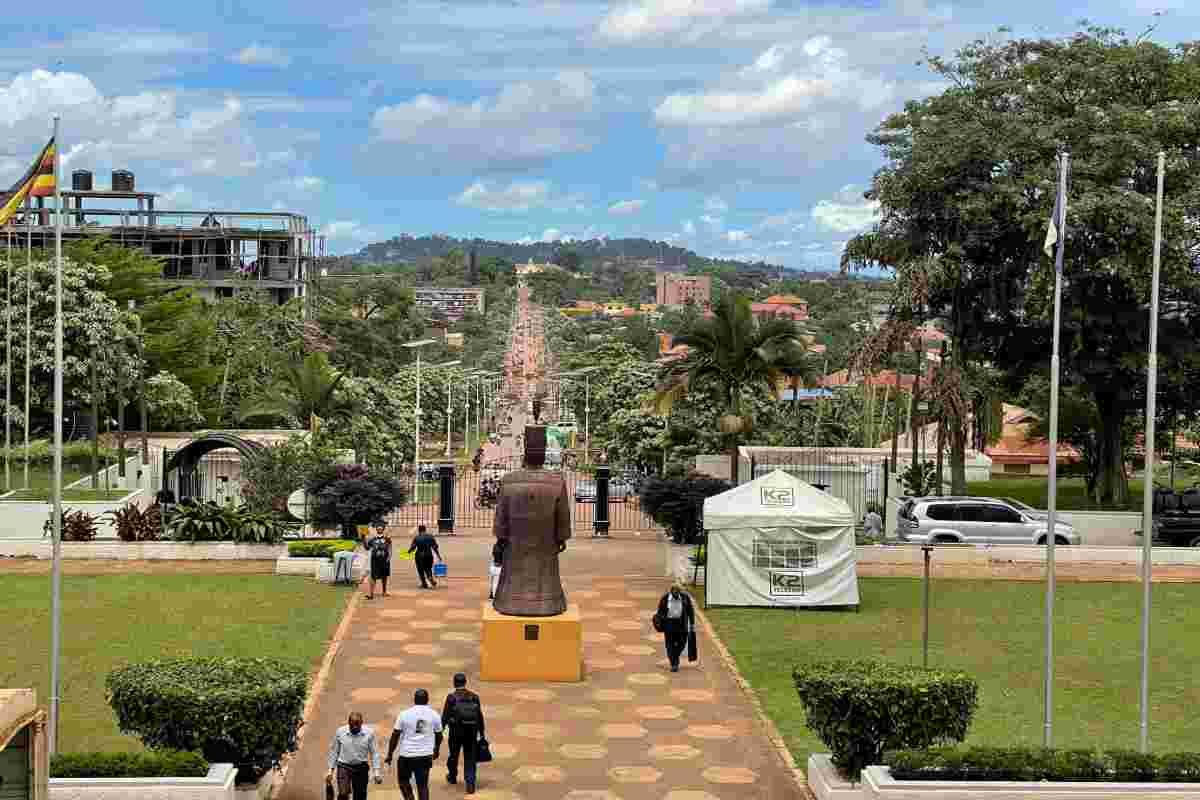
The Royal Mile of Buganda, Uganda: History, Culture, Facts and Things to See
The Royal Mile of Buganda, locally known as Kabaka Anjagala Road, is one of Uganda’s most fascinating historical and cultural attractions. Located in Mengo, Kampala, this remarkable ceremonial road connects two important institutions of the Buganda Kingdom: the Kabaka’s Palace (Lubiri) and Bulange, the administrative headquarters and parliament of the kingdom.
More than an ordinary road, the Royal Mile represents the history, traditions, leadership and cultural identity of the Baganda people. Its impressive ceremonial layout, symbolic trees, traditional monuments and surrounding historical buildings make it an important destination for visitors interested in understanding Uganda’s cultural heritage.
For travellers exploring Kampala, a walk along the Royal Mile offers an opportunity to learn about one of East Africa’s oldest traditional kingdoms and its continuing influence on Ugandan society.
Whether you are interested in African history, traditional leadership, architecture, cultural photography or heritage tourism, the Royal Mile is a worthwhile addition to your Uganda travel itinerary.
1. Where Is the Royal Mile of Buganda Located?
The Royal Mile is situated in Mengo, within Kampala City, Uganda.
It connects the historic Lubiri, the official palace of the Kabaka of Buganda, with Bulange, the kingdom’s parliament and administrative headquarters.
The road is commonly known as Kabaka Anjagala Road, a Luganda name associated with the phrase meaning “the King loves me.”
Its location makes it convenient for visitors exploring other historical attractions in Kampala, including:
-
- Kabaka’s Palace (Lubiri).
-
- Bulange, the Buganda Parliament.
-
- Amin’s former underground prison within the Lubiri grounds.
-
- Namirembe Cathedral.
-
- Rubaga Cathedral.
-
- Kasubi Royal Tombs.
-
- Gaddafi National Mosque.
The Royal Mile is particularly interesting because it brings together the royal, administrative and cultural history of Buganda in one relatively compact area.
2. History of the Royal Mile of Buganda
The history of the Royal Mile is closely connected to the development of the Buganda Kingdom and its royal institutions.
Buganda is one of the most historically influential traditional kingdoms in the Great Lakes region of East Africa. Its political organisation, cultural practices, monarchy and traditional institutions have played an important role in shaping the history of present-day Uganda.
The Royal Mile was established as a ceremonial connection between the Kabaka’s Palace at Lubiri and Bulange, the administrative seat of the kingdom.
The road became an important symbol of royal authority, connecting the residence of the Kabaka with the institution where matters concerning the kingdom are discussed and administered.
The modern palace at Lubiri was constructed during the reign of Kabaka Daudi Chwa II, with construction beginning in 1922.
Bulange, on the other hand, became the administrative headquarters of Buganda’s government and the home of the Lukiiko, the kingdom’s parliament.
The straight road linking these two important institutions represents the relationship between traditional leadership and governance.
Today, the Royal Mile remains an important cultural landmark and a popular destination for visitors interested in Buganda’s history.
3. Why Is It Called the Royal Mile?
The road is called the Royal Mile because of its association with the Kabaka, the traditional king of Buganda.
It is also known locally as Kabaka Anjagala Road.
The name is associated with the candlenut trees that historically lined the road. These trees were known locally as Kabakanjagala.
Historical accounts associate the planting of these trees with Zakaliya Kisingiri, one of Buganda’s important historical political figures, who brought seeds from the Seychelles following a visit connected with the exiled Kabaka Mwanga II.
The trees became important symbols of the Buganda clans and their relationship with the monarchy.
The road’s ceremonial design also reflects the importance of the Kabaka’s connection to the kingdom’s administrative institutions.
4. The 52 Trees and Their Connection to Buganda Clans
One of the most interesting features of the Royal Mile is its historical association with candlenut trees.
Traditionally, 52 candlenut trees were planted along the road, with each representing a clan of Buganda.
The trees symbolised the relationship between the Kabaka and the different clans that make up the kingdom.
Buganda’s clan system is an important part of its cultural organisation. Every clan has its own identity, history, totem and traditional responsibilities.
Clan membership is inherited through the father, and clan totems are important symbols of identity and cultural heritage.
The Royal Mile therefore represents more than a physical connection between two buildings. It reflects the unity, identity and cultural organisation of the Buganda people.
Today, the road continues to be associated with these historical symbols, although the original trees and their present condition should not be confused with a complete surviving row of the original planting.
5. Bulange: The Parliament of Buganda
At one end of the Royal Mile stands Bulange, one of the most important administrative buildings of the Buganda Kingdom.
Bulange serves as the headquarters of the Buganda Kingdom and houses the Lukiiko, the traditional parliament.
The building is an important symbol of Buganda’s system of governance and institutional organisation.
Visitors interested in Buganda’s political history can learn about the roles of the Kabaka, the Katikkiro (Prime Minister), ministers, chiefs and clan representatives.
What Makes Bulange Special?
The Lukiiko
The Lukiiko is the parliament of Buganda. It provides an institutional setting where representatives discuss issues concerning the kingdom and its people.
Traditional Governance
Bulange illustrates the organisation of Buganda’s traditional government and its administrative structures.
Clan Representation
The kingdom’s clans are an important part of its cultural and political identity. Their symbols and historical significance form part of the heritage interpretation associated with the Royal Mile.
Architecture
The building has a distinctive institutional architectural design and is one of the most recognisable landmarks in Mengo.
A guided visit to Bulange provides a deeper understanding of the relationship between Buganda’s traditional institutions and Uganda’s wider political history.
6. Lubiri: The Kabaka’s Palace
At the opposite end of the Royal Mile is Lubiri, also known as the Kabaka’s Palace.
Located on Mengo Hill, Lubiri is one of the most important royal sites in Uganda.
The palace is associated with the traditional authority of the Kabaka and has played a central role in Buganda’s political history.
The modern palace building, known as Twekobe, was commissioned during the reign of Kabaka Daudi Chwa II in 1922.
The name Twekobe is commonly interpreted as referring to working together.
What Can Visitors See at Lubiri?
Visitors exploring the palace grounds may learn about:
-
- The history of Buganda’s monarchy.
-
- The different Kabakas who have ruled the kingdom.
-
- Royal traditions and cultural practices.
-
- Traditional royal regalia.
-
- The history of the palace building.
-
- The political events surrounding the 1966 crisis.
-
- The historical underground prison associated with Idi Amin’s government.
The palace is particularly important for understanding the relationship between Buganda’s monarchy and Uganda’s modern political history.
7. Amin’s Underground Prison: A Dark Chapter in Uganda’s History
One of the most sobering historical attractions associated with the Royal Mile experience is the underground prison within the Lubiri palace grounds.
The site is commonly known as Amin’s Dungeon.
During Idi Amin’s military government in the 1970s, the underground facility was used as a place of detention, torture and execution.
The underground chambers provide a disturbing reminder of the human suffering experienced during one of the darkest periods in Uganda’s history.
Visitors who explore the site can learn about the political violence, human rights abuses and historical events associated with the Amin regime.
The experience is an important part of Uganda’s modern historical heritage and offers an opportunity to reflect on the importance of peace, human rights and responsible leadership.
8. The Nantawetwa Roundabout: A Unique Royal Tradition
Another interesting feature of the Royal Mile is the traditional roundabout known as Nantawetwa, associated with a special royal passage.
The ceremonial route follows a straight alignment between Lubiri and Bulange.
According to Buganda tradition, the Kabaka has the privilege of passing directly through the designated central passage.
This arrangement reflects the cultural and ceremonial importance of the Kabaka’s movement between his palace and the administrative headquarters.
The roundabout also features a prominent drum-inspired monument, reflecting the importance of traditional drums in Buganda’s cultural life.
Drums have historically been used for royal ceremonies, communication, entertainment and cultural performances.
The Nantawetwa monument is an interesting landmark for visitors and photographers exploring the Royal Mile.
9. Interesting Facts About the Royal Mile of Buganda
Here are some fascinating facts about this historic attraction.
Fact 1: It Connects Two Important Royal Institutions
The Royal Mile links Lubiri, the Kabaka’s Palace, with Bulange, the Buganda Parliament.
Fact 2: It Is Also Known as Kabaka Anjagala Road
The name is associated with the traditional candlenut trees known locally as Kabakanjagala.
Fact 3: It Has a Strong Connection to Buganda’s Clans
Historical accounts describe 52 candlenut trees planted along the road to represent Buganda’s clans.
Fact 4: It Is Associated with the Kabaka’s Ceremonial Movement
The road has a special ceremonial significance, including the Nantawetwa passage.
Fact 5: It Tells the Story of Uganda’s Political History
The nearby palace grounds witnessed major events during the 1966 political crisis and later became associated with abuses under Idi Amin’s government.
Fact 6: Bulange Houses Buganda’s Parliament
The Lukiiko operates from Bulange, making it an important institution of traditional governance.
Fact 7: The Royal Mile Is a Cultural Tourism Attraction
It attracts Ugandan visitors, international tourists, students, researchers and members of the Baganda diaspora.
Fact 8: It Represents the Continuity of Buganda’s Monarchy
The road remains an important symbol connecting the kingdom’s traditional leadership with its administrative institutions.
10. The Cultural Importance of the Royal Mile
The Royal Mile is an important representation of Buganda’s cultural identity.
To understand its significance, visitors need to appreciate the role of the Kabaka and the traditional clan system.
The Kabaka is the cultural leader of the Buganda Kingdom. The monarchy is one of the most important traditional institutions in Uganda.
The kingdom has maintained its cultural institutions through periods of political change, including the abolition of traditional kingdoms in 1967 and their restoration in 1993.
The Royal Mile is therefore a symbol of continuity, cultural identity and the survival of traditional institutions.
It also represents the relationship between the monarchy, the clans and the kingdom’s administrative leadership.
For visitors, exploring the road offers an opportunity to understand why Buganda remains such an important part of Uganda’s cultural landscape.
11. Things to Do at the Royal Mile
There are several activities visitors can enjoy when exploring the Royal Mile.
Walking Along the Historic Road
Take a leisurely walk along the ceremonial road and appreciate its architecture, historical monuments and cultural symbolism.
Visiting Bulange
Explore the Buganda administrative headquarters and learn about the Lukiiko and the kingdom’s traditional governance.
Visiting Kabaka’s Palace
Discover the history of the Lubiri palace and the royal institution.
Learning About Buganda’s Clans
Understand the traditional clan system, clan totems and the historical significance of the trees associated with the road.
Photography
The Royal Mile provides opportunities for architectural and cultural photography, particularly around the ceremonial road, monuments and surrounding historical buildings.
Always respect security restrictions and obtain permission before photographing restricted areas.
Exploring Amin’s Dungeon
Visitors interested in Uganda’s political history can learn about the underground prison and the difficult events associated with the Amin regime.
Cultural Education
The Royal Mile is an excellent destination for students, researchers and visitors interested in African traditional leadership, history and cultural institutions.
12. Best Time to Visit the Royal Mile
The Royal Mile can be visited throughout the year.
However, morning and afternoon visits are particularly suitable for exploring the road on foot and visiting the surrounding heritage sites.
Morning visits are ideal for comfortable walking and guided cultural tours.
Afternoon visits provide opportunities for photography and exploring the historical buildings.
Visitors should confirm guided-tour availability and access arrangements before travelling, especially when planning to visit the palace or Bulange.
13. Other Attractions Near the Royal Mile
Visitors can combine the Royal Mile with other important historical and cultural attractions in Kampala.
Kasubi Royal Tombs
The Kasubi Royal Tombs are among the most important cultural heritage sites in Uganda.
They serve as the burial grounds of several former Kabakas of Buganda and are recognised as a UNESCO World Heritage Site.
The site provides an opportunity to learn about Buganda’s royal traditions, architecture and spiritual heritage.
Namirembe Cathedral
Namirembe Cathedral is one of Uganda’s oldest Anglican religious institutions.
Located on Namirembe Hill, the cathedral is an important historical and architectural attraction.
Rubaga Cathedral
Rubaga Cathedral is a major Catholic landmark in Kampala.
It is closely connected to the history of Christianity in Uganda and the development of Catholicism in the country.
Gaddafi National Mosque
Located on Old Kampala Hill, the mosque is one of the most impressive architectural landmarks in Kampala.
Visitors can explore its architecture and enjoy panoramic views of the city from the minaret, subject to visitor arrangements.
Uganda National Museum
The Uganda National Museum provides an opportunity to explore the country’s cultural, historical and natural heritage.
Its exhibitions include traditional cultural objects, archaeological collections and historical materials.
Combining these attractions creates an excellent Kampala cultural heritage tour.
14. How to Get to the Royal Mile of Buganda
The Royal Mile is located in Mengo, Kampala, and can be accessed by road.
From Entebbe International Airport: Visitors can travel to Kampala using the Entebbe Expressway or the older Entebbe–Kampala highway before continuing to Mengo.
From Kampala City Centre: Taxis and private vehicles can reach Mengo through the main roads leading towards the Lubiri and Bulange areas.
From other Kampala attractions: Visitors exploring Old Kampala, Namirembe or Rubaga can include the Royal Mile in a wider city heritage tour.
Hiring a local guide or arranging private transport is a convenient option for international visitors.
15. Why Include the Royal Mile in Your Uganda Safari?
Uganda is famous for mountain gorilla trekking, chimpanzee tracking, wildlife safaris and beautiful natural landscapes.
However, the country’s cultural heritage is equally important to understanding its identity.
A visit to the Royal Mile provides an opportunity to explore Uganda beyond its national parks.
Travellers can combine their cultural experience in Kampala with wildlife adventures in other parts of the country.
Popular safari destinations include:
-
- Bwindi Impenetrable National Park: Famous for mountain gorilla trekking.
-
- Mgahinga Gorilla National Park: Known for mountain gorillas and golden monkeys.
-
- Queen Elizabeth National Park: Famous for elephants, lions, hippos and boat safaris.
-
- Murchison Falls National Park: Home to spectacular waterfalls, wildlife and Nile River boat cruises.
-
- Kibale Forest National Park: A leading destination for chimpanzee tracking.
-
- Lake Mburo National Park: Known for zebras, impalas, giraffes and walking safaris.
For visitors with an interest in culture and history, a Kampala city tour featuring the Royal Mile is an excellent way to begin or conclude a Uganda safari.
16. Why Visit the Royal Mile with Book Gorilla Tracking?
At Book Gorilla Tracking, we believe that discovering Uganda should involve more than visiting national parks.
The country has a rich cultural history, remarkable traditional institutions and fascinating historical landmarks.
The Royal Mile offers an opportunity to experience the heritage of the Buganda Kingdom and understand the role it has played in Uganda’s history.
Visitors can combine a guided cultural experience in Kampala with unforgettable wildlife adventures across the country.
From exploring Buganda’s royal heritage to tracking mountain gorillas in Bwindi, Uganda offers a diverse range of travel experiences.
Book Gorilla Tracking helps travellers discover the Pearl of Africa through cultural tours, nature experiences and wildlife adventures.
Conclusion: Discover the Heritage of Buganda Along the Royal Mile
The Royal Mile of Buganda is one of Kampala’s most important historical and cultural attractions.
Connecting the Kabaka’s Palace at Lubiri with Bulange, the kingdom’s parliament, the road represents the history, traditions and continuity of the Buganda Kingdom.
Its historical trees, ceremonial roundabout, royal monuments and surrounding heritage buildings make it a fascinating destination for anyone interested in African culture and traditional leadership.
Whether you are a local visitor, an international tourist, a student or a history enthusiast, exploring the Royal Mile provides valuable insight into the cultural heritage of Uganda.
When planning your next Uganda holiday, include the Royal Mile in your Kampala city tour and discover the fascinating story of the Buganda Kingdom.
Explore Uganda with Book Gorilla Tracking and experience the country’s extraordinary cultural heritage, wildlife and natural beauty.
Frequently Asked Questions About the Royal Mile of Buganda
1. Where is the Royal Mile of Buganda located?
The Royal Mile is located in Mengo, Kampala, Uganda. It connects the Kabaka’s Palace at Lubiri with Bulange, the Buganda Parliament.
2. What is the local name of the Royal Mile?
It is locally known as Kabaka Anjagala Road.
3. Why is the Royal Mile important?
It is important because it connects two major institutions of the Buganda Kingdom and represents the monarchy, traditional governance and cultural identity of the Baganda people.
4. What is Bulange?
Bulange is the administrative headquarters of the Buganda Kingdom and the home of the Lukiiko, the kingdom’s parliament.
5. What is Lubiri?
Lubiri is the official royal palace compound of the Kabaka of Buganda, located in Mengo, Kampala.
6. What do the trees along the Royal Mile represent?
Historical accounts describe 52 candlenut trees planted along the road, representing the clans of Buganda.
7. What is Nantawetwa?
Nantawetwa is a ceremonial passage along the Royal Mile associated with the Kabaka’s traditional privilege of passing directly through the designated route.
8. Who built the Kabaka’s Palace at Lubiri?
The modern palace building, Twekobe, was commissioned during the reign of Kabaka Daudi Chwa II, with construction beginning in 1922.
9. Can tourists visit the Royal Mile?
Yes. Visitors can explore the Royal Mile and arrange guided heritage experiences involving Bulange and Lubiri, subject to access and security arrangements.
10. What is Amin’s Dungeon?
Amin’s Dungeon is an underground detention and torture facility within the Lubiri palace grounds, associated with human rights abuses during Idi Amin’s government.
11. How long does a Royal Mile tour take?
A short walk along the road may take less than an hour, while a more comprehensive guided experience including Bulange, Lubiri and the historical sites can take several hours.
12. Can the Royal Mile be combined with a Uganda safari?
Yes. It can be included in a Kampala cultural tour before or after a wildlife safari, gorilla trekking or chimpanzee tracking experience.