Call: +256 702 595 926 | Email: info@bookgorillatracking.com

15-Day Rwanda–Uganda–Tanzania (Serengeti & Zanzibar) Safari


Day 1: Arrival & a Gentle First Evening
You arrive in Kigali, and the city feels like a calm prelude, clean, green, and surprisingly easy to settle into. After immigration and check-in, your guide takes you through a short orientation: where you’ll meet each morning, how the driving will work, and what to expect from the weather.
In the afternoon, you choose a light activity, often a short cultural outing or a viewpoints stroll, then return for an early dinner. The goal today is simple: sleep well. Tomorrow you begin the real safari journey, one where the forest comes first.
Day 2: Kigali → Bwindi (Uganda)
Today you travel from Rwanda into western Uganda, heading toward Bwindi Impenetrable Forest. Driving days in this region are never rushed. You’ll pass landscapes that steadily shift: rural farmland mosaics, roadside markets, and changing vegetation as you move toward the forest edge.
As the day softens into late afternoon, you arrive near Bwindi. You check in, take in the forest-lined views, and enjoy an easy evening, usually tea on the veranda, a short lodge walk, and an unhurried briefing about gorilla trekking rules.
Day 3: Gorilla Trekking (Bwindi)
You wake early, coffee first, then quiet excitement. After breakfast, you head to the trekking briefing point where rangers explain safety guidelines and how the trekking works: stay calm, follow your guide, and remember that you’re visiting wild animals in their habitat.
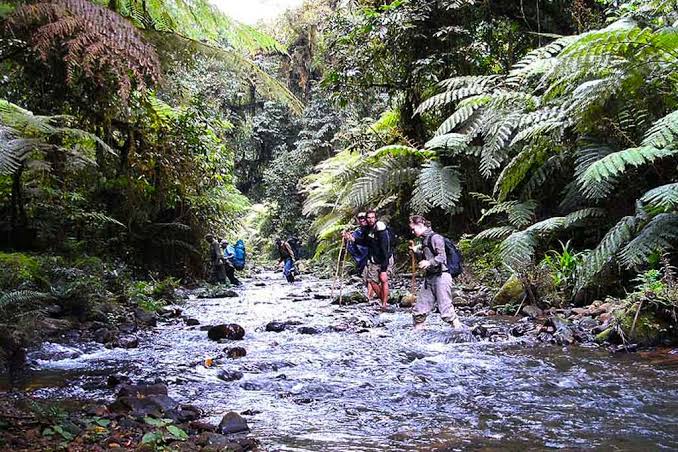
Then the forest begins to “close in” around you. The trek itself varies by gorilla movement, but the feeling is consistent: breath, mud, leaf-scented air, and the sense that you’re stepping into something ancient.
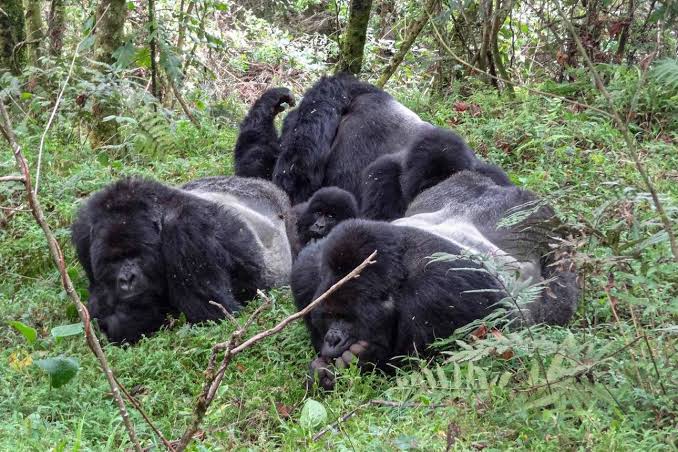
When you finally locate the group, everything changes. The encounter is intimate in a way that’s hard to describe, gaze, motion, silence punctuated by natural forest sounds. You watch how gorillas move, interact, and simply exist without performing for anyone. Afterward you return to the lodge with tired legs and an overwhelmed heart.
Day 4: A Recovery Day and Optional Second Activity
Not everyone realizes it, but after gorillas, you may want the day to be slower. Today is designed for that. You enjoy a relaxed morning, late breakfast, time to shower, and quiet contemplation.
If you’d like something additional, this is a great day for a guided community experience (local livelihoods, conservation support, and cultural context) or a gentle forest-edge walk.
Alternatively, you may prefer simply enjoying the scenery and taking photos without rushing. This is also the day to mentally “file” the gorillas experience away, so the next wildlife moment lands fresh.
Day 5: Transfer to Kibale National Park
Today you leave Bwindi’s dense slopes and journey toward Kibale Forest National Park, Uganda’s famous chimp region. The scenery gradually opens and changes character; the roads become busier, villages appear more often, and the drive feels like a bridge between two different kinds of wildlife magic.
By late afternoon you arrive in the Kibale area and check into your lodge. You’ll probably do a short orientation walk, more for acclimatization and night sounds than for “activities.” But if the timing is right, some lodges offer a light evening bird walk or nature walk.
Day 6: Chimpanzee Trekking (Kibale
Kibale wakes with a different rhythm than Bwindi. Today you start early for chimp tracking, following ranger-led guidance until you’re close enough to see the chimps moving through the canopy.
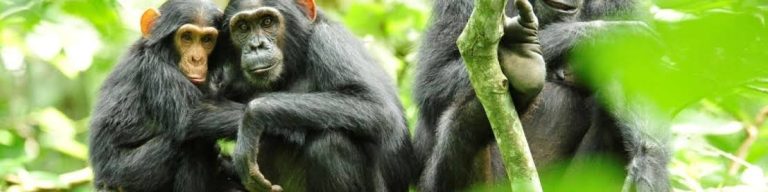
This trek is often a blend of patience and sudden wonder. One moment you’re listening to faint calls, the next you’re watching movement above the trees, chimpanzees swinging, feeding, calling, and occasionally displaying the bold curiosity that makes people laugh mid-trek.
After the trek, you return to the lodge and spend the afternoon slowly. If you still have energy (or if you’re a nature-enthusiast), you may add a forest walk focusing on other primates and biodiversity. Either way, you’ll end the day feeling deeply connected to Uganda’s forest ecosystems.
Day 7: Transfer to Entebbe
You drive toward Entebbe, your gateway back to more “restorative” travel—still scenic, but less forest-heavy. The day gives you space to slow down: you stretch legs during breaks, watch life unfold on the roadside, and arrive with enough energy to enjoy your evening rather than just checking in and collapsing.
Entebbe evenings often feel breezy and reflective. You can take an easy stroll around the hotel area, enjoy a sunset view if conditions allow, and prepare for the next chapter: Tanzania.
Day 8: Entebbe to Kilimanjaro (Arusha)
Today you fly out of Uganda and connect toward Kilimanjaro / Arusha. The moment you land, the entire safari feeling changes, from humid forest time to the anticipation of open plains.
After arrival and transfer, you check in around Arusha and rest. Depending on your flight timing, you may do a light orientation activity, perhaps a short view-point outing around the region, then enjoy an early dinner. You want to sleep well, because tomorrow begins the long-awaited push into the Serengeti.
Day 9: Transfer to Serengeti National Park
You leave Arusha and travel into the Serengeti, where the landscape transforms into wide horizons and grassland textures, an entirely different kind of “wild.” The day often includes arrival procedures and then your first real wildlife viewing session on the plains.
As the light changes, you start noticing how Serengeti animals behave in their own rhythm, movement that feels effortless, yet strategic. You’ll likely begin seeing the classic patterns: grazing groups, watchful predators (when lucky), and birds that make the ecosystem feel alive.
Even if the sightings are early rather than dramatic, the excitement is real, because it’s your first day “inside” the Serengeti story.
Day 10: Serengeti Full Game Drive Day
This is a day for slow scanning and excited stopping. You go out early, then return for a mid-day break (depending on your lodge’s schedule), and head back out again for afternoon viewing.
In a good Serengeti rhythm, you learn to read the land: follow animal movement, notice where predators might position, and keep your eyes on the grass. Your guide will help you interpret behavior, why herds cluster, why birds react, why some areas are “quiet” until they suddenly aren’t.
If luck is on your side, you may witness a key safari moment: predator hunting, a dramatic chase, or a calm but incredible tableau of wildlife interacting with its environment.
Day 11: Another Game Drive in the Serengeti
The Serengeti isn’t one uniform experience. It shifts depending on season and migration patterns, so the exact routing within the Serengeti may be adjusted by your safari plan. Today you’ll go out with that in mind, following where the action is.
You may find yourself spending time photographing golden-hour landscapes, watching herds in motion, and waiting for that “just one more turn” discovery, an animal you didn’t expect, or a predator sighting that feels like a reward for patience.
This day is often remembered for how full it feels: not just the wildlife, but the feeling of being in one of the world’s most iconic ecosystems.
Day 12: Serengeti to Ngorongoro Highlands
Today your safari pivots from wide plains to dramatic altitude and geology. You travel toward the Ngorongoro Highlands, the region that sets up tomorrow’s extraordinary experience: descending into Ngorongoro Crater. Along the way you stop for scenic breaks and a chance to stretch. As you get closer to the highlands, the air changes and the terrain becomes more textured, views widen and the sense of “arrival” begins.
In the evening you settle into your lodge and enjoy a calm dinner while the highlands glow. You’re building anticipation for the next day.
Day 13: Ngorongoro Crater Exploration
Today is a centerpiece day. After breakfast and descent planning, you go down into the Ngorongoro Crater, where wildlife appears like it is curated, dense, diverse, and constantly moving through the natural “bowl” of the crater floor.
You’ll spend hours on a game drive inside the crater, with frequent stops for photography and wildlife viewing. Some sightings can be predictable by habitat type, but the magic is always in the details: the way animals share space, the way birds react to movement, and the sense of a thriving ecosystem contained within ancient geography.
When you finally climb out, the landscape can feel almost unreal, like you traveled through time and arrived at a different world.
Day 14: Fly to Zanzibar
Today transitions you from Tanzania’s mainland safari intensity to Zanzibar’s coastal calm. As the afternoon settles, you’ll feel the difference immediately: ocean air, quieter evenings, and the sensation that the safari story has a “new chapter.” You check in, enjoy a first seaside meal (often with local spices and fresh seafood options), and watch the horizon soften into evening. This is a day to recover joyfully, no game drives, just atmosphere.
Day 15: Stone Town & a Final Island Day
Your final day is built for memories and atmosphere. Many travellers love a Stone Town exploration, walking through historic streets, learning about Swahili culture and Zanzibar’s trading heritage, and browsing artisan shops.
Depending on your interest, you can add a relaxed coastal activity (like a spice-related outing or a short beach time). The point is to end your trip in the way Zanzibar does best: warmth, color, and calm. Then, when it’s time, you transfer for departure, leaving behind the forests of Uganda and the crater bowl of Ngorongoro, while carrying the shared thread of the whole journey: wildlife, landscapes, and human connection.