+256-702 595 926 | info@bookgorillatracking.com

Uganda Safari Itinerary

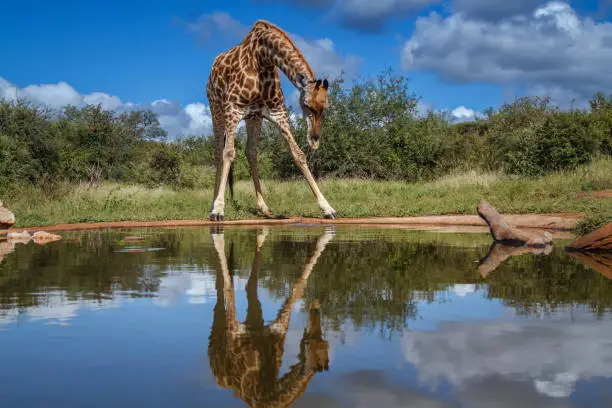
Uganda is one of Africa’s most compelling safari destinations because it combines dramatic landscapes, wildlife that’s surprisingly diverse, and the chance to go gorilla trekking in forests that feel almost alive. Whether you’re chasing mountain gorillas, chimpanzees, tree-climbing lions (in nearby reserves), or the big-game spectacle of savannah ecosystems, Uganda offers an itinerary that can be as relaxed or as action-packed as you want.
This guide outlines a proven Uganda safari itinerary, designed for first-time visitors, and then adds flexible alternatives depending on your travel style, time of year, and budget. It assumes you’re flying into Uganda, traveling by comfortable road drives (often with scenic stops), and booking local guides and permits in advance.
Key Planning Points
Before an itinerary can be truly “right,” you need to anchor it to a few logistical realities.
Gorilla trekking requires permits
Mountain gorilla trekking permits are limited. You generally book them through your tour operator or a licensed channel well ahead of time. Your itinerary should be built around the day you expect to trek.
Chimpanzee tracking is permit-based too
Chimpanzee trekking in areas like Kibale requires a permit. It’s easier to plan than gorillas, but you still need reservations.
Expect long drives (and plan rest days)
Uganda’s roads vary by region. It’s normal for game drives to be short, but transfer days can be long. Build in buffer time and don’t try to “race” across the country.
Best-Fit Itinerary
This route is ideal for many travelers because it balances primate adventures (gorillas and chimps) with full safari days in savannah parks.
Day 1: Arrive in Kampala & Overnight
Kampala is usually your starting point. After arrival, you’ll typically do a low-key check-in and possibly a short orientation: local restaurants, currency exchange, and an early briefing about permits and park logistics. Kampala (or a nearby guesthouse if you have an early start the next day). Keep energy for the next morning, Uganda is “active” even before the safari begins.
Day 2: Drive to Bwindi Impenetrable Forest
Now you head to the heart of your gorilla safari: Bwindi Impenetrable Forest. Transfers can be lengthy because the terrain becomes more rugged as you get closer to the gorilla zone. Plan for an early dinner and a calm evening; gorilla tracking days depend heavily on fitness and patience.
Day 3: Gorilla Trekking Day (Bwindi)
Gorilla trekking is the most emotional and memorable part of Uganda safaris for many visitors. Permits determine your time window, but your experience depends on where the gorilla group is that day. Expect a briefing about rules and safety, a walk into the forest (distance varies), time with gorillas once you reach the group, a return trek afterward. Guides will help you understand behavior, feeding, social dynamics, and how gorillas move through the forest.
Even if the trek is “only” one day, treat it as physically demanding. Bring layers, rain protection, and comfortable footwear.
Day 4: Relaxed Morning + Community Experience or Second Activity
After gorillas, many travelers appreciate a slightly softer day. Depending on your lodge and schedule, options include: a community walk (culture, local livelihoods, and conservation support), a short scenic hike, a birding expedition (Bwindi’s birdlife is rich), a chance to revisit the forest edges for photos and reflections. This day is also useful for anyone who wants to avoid overexertion after trekking.
Day 5: Drive to Queen Elizabeth National
Today is a transfer day. You’ll travel toward Queen Elizabeth National Park in western Uganda. Stops along the way can include viewpoint breaks, local markets, and scenic stretches where you may see birds and smaller wildlife.
You’ll likely reach your lodge by late afternoon and enjoy an easy evening activity, either a short nature walk or a relaxed game drive, depending on the light and park access.
Day 6: Game Drive + Crater Lakes / Kazinga-area Scenery
Queen Elizabeth is a wildlife magnet. You’ll likely encounter elephants, buffalo, warthogs, antelope species, crocodiles in water-adjacent areas, and a rich variety of birds. Some lodges and operators also build in “special zones” like crater-lake landscapes or specific sectors with better chances for certain animals. If you’re a photographer, ask for an early morning game drive; dawn is usually spectacular.
Day 7: Kazinga Channel Boat Safari + Evening Game Viewing
One of the signature experiences in Queen Elizabeth National Park is the boat safari on the Kazinga Channel. The channel attracts animals that come to drink and cool off. It’s not uncommon to see large herds close to the boat.
Day 8: Transfer to Kibale Forest National Park
Today, you move toward Kibale, famed for chimpanzees. The transition is part of the adventure; Uganda’s changing scenery makes the journey feel like a moving documentary. Depending on your timing and lodge location, you might do a relaxed afternoon walk or chimp-prep briefing (not tracking yet, just acclimatising).
Day 6: Chimpanzee Trek in Kibale + Nature Walk
This is your chimpanzee day. Tracking often begins in the morning, and the experience varies depending on where the chimps are located that day. In addition to chimp sightings, guides usually highlight forest ecology. Tree species and canopy structure, bird calls and movement patterns, evidence of other primates in the area. If you still have time and energy, a second forest activity like a community-guided walk or a bird-focused excursion can add depth to the experience.
Days 7 &8: Murchison Falls Extension
Many Uganda itineraries add Murchison Falls National Park for a dramatic finale. Murchison is famous for the powerful waterfalls, river ecosystem wildlife, chances at big mammals in savannah and woodland areas.
Day 9: Depart
Your final day depends on your flight schedule. You might have a morning drive, breakfast, and then transfer to the airport. If your departure is late, you can add a short scenic stop or souvenir time.
Uganda’s wildlife experiences are governed by strict rules, especially near primates. Follow guide instructions during treks and keep respectful distance. Avoid sudden movements or disruptive behavior. Keep noise down in forest areas. Treat gorilla/chimp encounters as priceless and protected. In many communities, conservation tourism directly supports habitat protection and local livelihoods, so your participation contributes beyond the wildlife encounter itself.
How to Choose the Right Uganda Safari Tour Operator
Your itinerary is only as good as the planning behind it.
- Look for transparent permit handling (especially gorillas)
- Experienced guides with strong wildlife/forest knowledge
- Comfortable vehicles suited to road conditions
- Clear communication on day-by-day timing and fitness expectations
- Safety-first policies and reliable logistics
Final Thoughts
A great Uganda safari itinerary isn’t just a list of parks, it is a rhythm. Gorilla trekking sets an unforgettable “peak,” but the magic is often how you move around that day: the forest atmosphere in Bwindi, the chimp energy in Kibale, and the sweeping wildlife scenes in Queen Elizabeth.