+256-702 595 926 | info@bookgorillatracking.com

Uganda Gorilla Trekking price.

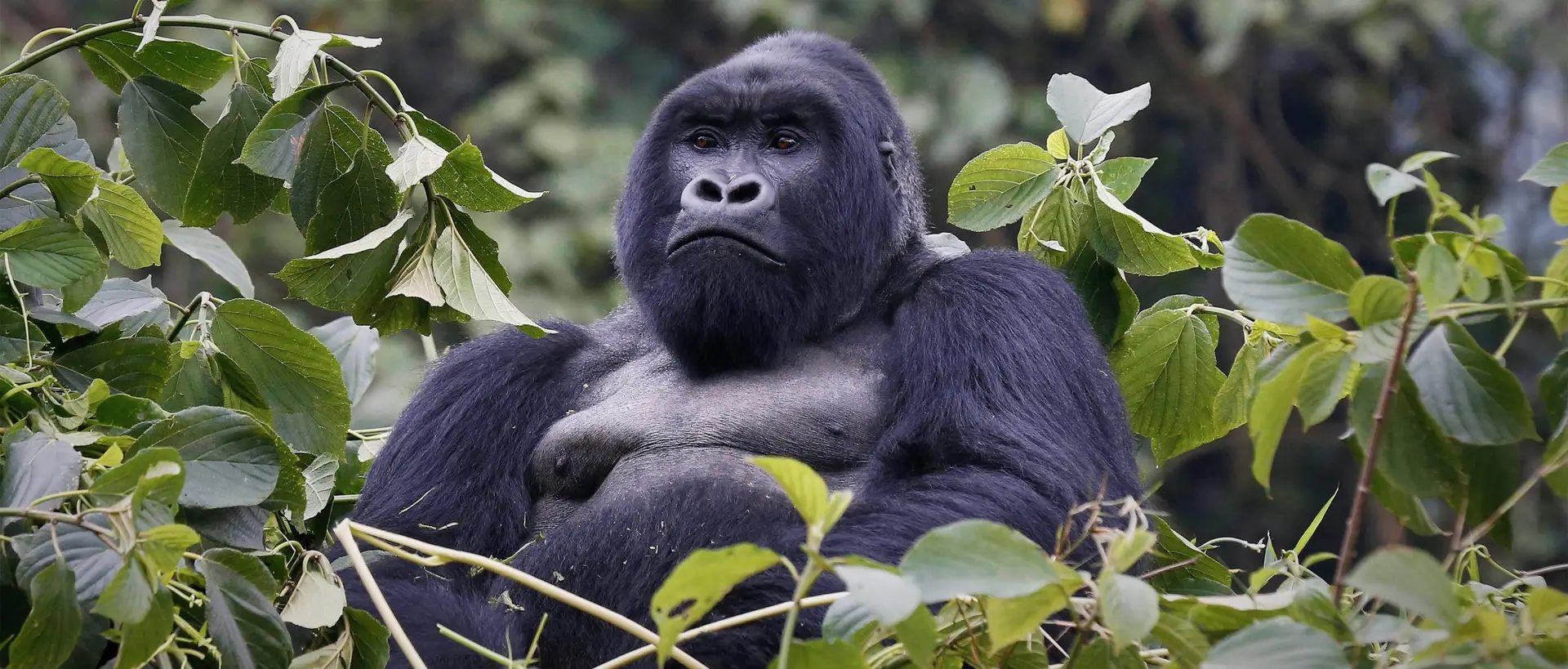
Gorilla trekking in Uganda is one of the world’s most sought-after wildlife experiences. Observing mountain gorillas in their natural habitat offers a rare, emotional connection with an endangered species. The activity plays a vital role in conservation and local community development. Cost is frequently the first practical question travellers ask.
This article explains the full cost picture of gorilla trekking in Uganda: permit pricing by season, what the permit fees cover, additional trip expenses (transport, accommodation, guides, park fees, and tips), cost-saving strategies, value considerations, and practical tips for budgeting and booking. Understanding the full cost structure will help you plan responsibly and get the most from this once-in-a-lifetime experience.
Seasonal Permit Rates
Uganda uses a tiered pricing approach with two main seasonal permit rates:
- Low season permit: $600 per person
- High season permit: $800 per person
These permits grant the holder one trek (one hour with a habituated gorilla group) in either Bwindi Impenetrable National Park or Mgahinga Gorilla National Park. Seasonal pricing aims to manage demand, encourage visitation during off-peak months, and support conservation financing year-round.
What the Permit Price Includes
A gorilla trekking permit is primarily a conservation and management fee. Typical inclusions are:
- Authorization to join a scheduled gorilla trek on a specific date and sector.
- Funds directed to park management (rangers, anti-poaching patrols, habitat protection).
- Contributions to gorilla monitoring, habituation efforts, and veterinary response teams when needed.
- Community revenue-sharing programs and local development initiatives.
- The regulated one-hour viewing time and briefing services provided by Uganda Wildlife Authority (UWA) staff and guides.
Note: The permit generally does not include transport to the park, accommodation, guide-only fees outside the trek, meals, tips, or optional activities. These additional costs vary widely by itinerary and comfort preferences.
Why are Gorilla Permit Fees High?
Conservation and Protection Needs
Mountain gorillas are a critically endangered species requiring intensive conservation investment. Permits fund constant monitoring, anti-poaching units, community development projects that reduce human-wildlife conflict, and emergency veterinary intervention (e.g., Gorilla Doctors). The high fees reflect the genuine costs of protecting small, vulnerable populations over rugged, expensive-to-manage terrain.
Limited Visitor Numbers
Permits are intentionally limited each day to minimize disturbance to the gorillas and maintain sustainable tourism. High permit prices help manage demand and ensure that revenues cover the high per-visitor costs of conservation and park operations.
Local Community Benefits
A portion of permit revenues is shared with neighbouring communities through infrastructure projects, education, health clinics, and livelihood programs. This revenue-sharing system is critical to building local support for gorilla conservation and providing tangible benefits to people living alongside gorillas.
What to Budget For on a Uganda Gorilla Trekking Safari?
To estimate a full gorilla trekking trip budget, consider the following expense categories: permit, transport (international and domestic), accommodation, local transport and logistics, guide/porter fees, park and other activity fees, meals, insurance and health costs, and tips. Below is a detailed breakdown with example ranges to help you plan realistically.
Gorilla Permit
- Low season: $600 per person
- High season: $800 per person
Secure permits well in advance, especially for high season dates, when availability may be constrained.
International Flights
Depending on origin, expect widely varying airfare costs. Typical ranges: $700–$2,000+ return for many long-haul itineraries (e.g., North America, Europe, Asia), influenced by season, airline, and routing. Consider multi-city or regional routing (e.g., adding Rwanda or Kenya) for broader East African itineraries.
Domestic Flights and Transfers
Domestic charter flights to airstrips near Bwindi (e.g., Kisoro, Kihihi) are common and save travel time. $400–$600 per person one-way on small aircraft depending on route and operator (group charters cost differently). Private 4×4 transfers from Kampala, Entebbe, or Kigali: $150–$400+ per vehicle per transfer depending on distance, vehicle type, and whether the transfer is shared or private. Road travel is cheaper but longer and subject to road conditions.
Accommodation
Accommodation near gorilla parks ranges from budget community guesthouses to high-end lodges. Typical ranges per night (per room):
- Budget: $50–$80
- Mid-range: $80–$250
- Luxury: $250–$800+
Many visitors choose mid-range or luxury lodges that include meals, transfers, and safari conveniences; prices vary by season and booking arrangements.
Park and Activity Fees (Other than Permit)
Some parks charge additional entrance fees for activities (e.g., birding, guided forest walks) or visitor contributions. Optional activities such as chimpanzee tracking in Kibale, boat cruises on the Kazinga Channel, or cultural visits incur separate fees.
Guides, Porters, and Local Services
Porters are available to assist on steep trails. Typical porter charges: $10–$30 per day (negotiable; varies by region and operator). Tip separately. If not included in a package, hiring local guides and trackers can incur additional charges. Driver/guide service, often included in tour packages; standalone hires vary by provider.
Food and Incidentals
Budget for meals not included in packages, personal supplies, souvenirs, and local purchases. Daily budgets of $15–$70 depending on dining style are common.
Tips and Gratitude Payments
Parcels for guides, rangers, porters, and lodge staff are customary and expected. Budget at least $40–$100+ per trek for guides and porters combined, depending on satisfaction and local guidance. Community projects or souvenir purchases are additional ways to support local communities.
Cost-Saving Strategies on Uganda Gorilla Trekking Safari
Travel in Low Season: Permits are $600 during the low season versus $800 in high season, this alone is a substantial saving. Low season travel also often yields lower accommodation and transfer rates.
Group Tours and Shared Transfers: Join group departures or share transfers and vehicles to split costs for drivers, fuel, and charters. Group rates for domestic charters can substantially reduce per-person costs.
Choose Road Transfers When Practical: Although road travel is longer, it can be significantly cheaper than domestic flights. Balance time constraints against budget.
Book Early and Compare Operators: Early booking of permits and packages can capture lower lodge rates and secure desired dates. Compare tour operators for transparent pricing, inclusions, and community contribution practices.
Combine Activities Efficiently: Build an efficient itinerary to avoid repeat transfers; for example, combine gorilla trekking with nearby attractions and plan flights to minimize backtracking.
Conclusion Gorilla trekking in Uganda is a premium wildlife experience with permit prices set to sustain conservation and community benefits. Low season permits at $600 and high season permits at $800 are only part of the overall cost picture, which also includes international and domestic travel, accommodation, local logistics, tips, and health and insurance needs. While the expense is significant, the fees directly support the protection of mountain gorillas and provide tangible benefits to local communities. By planning carefully, travellers can manage costs while contributing meaningfully to gorilla conservation and enjoying one of nature’s most profound encounters.

