+256-702 595 926 | info@bookgorillatracking.com

Nkuringo Gorilla Family in Bwindi, Uganda | Complete Trek Guide


Nkuringo Gorilla Family in Bwindi, Uganda: History, Members and Trekking Guide
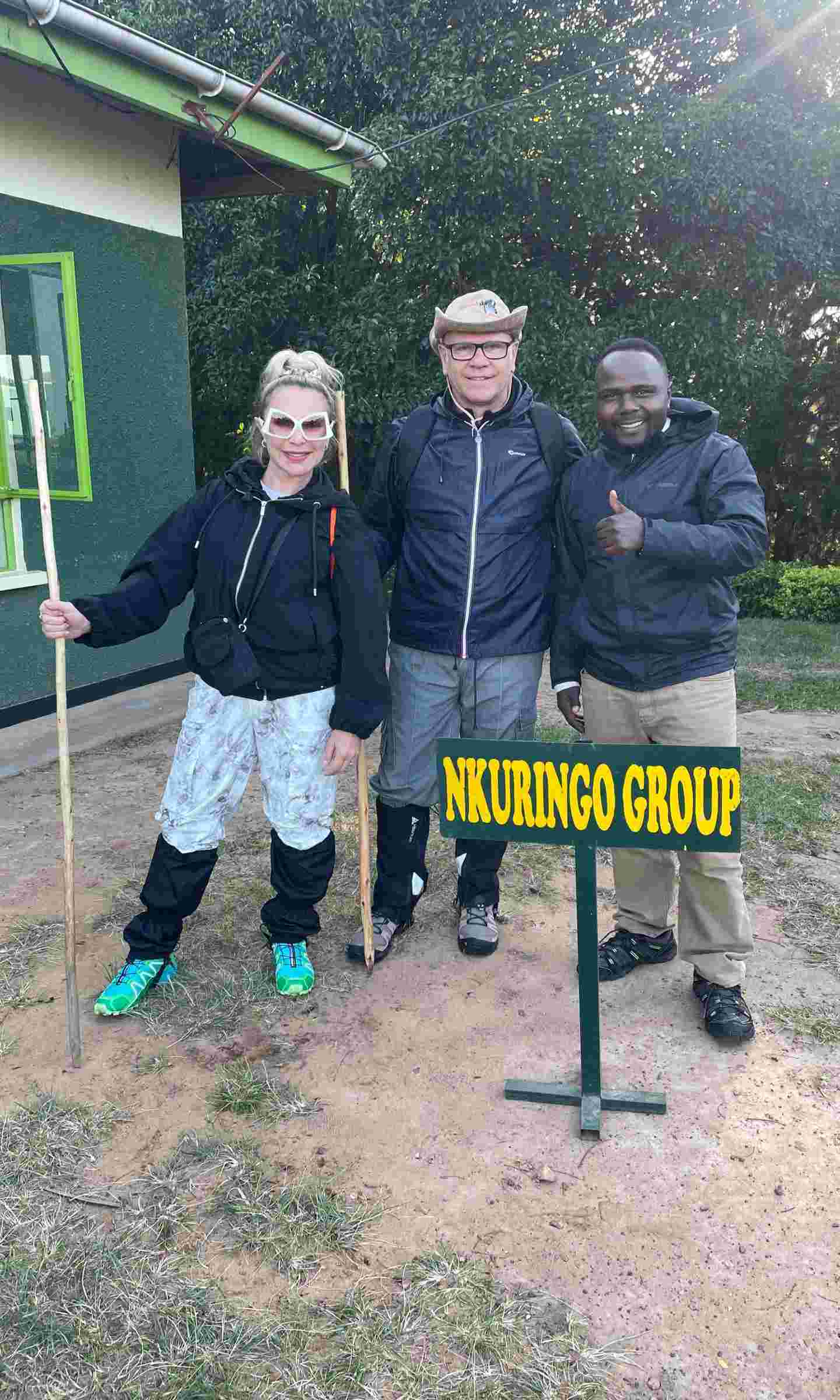 Nkuringo Gorilla Family in Bwindi Impenetrable National Park, Uganda
The Nkuringo Gorilla Family is one of the most historic habituated mountain gorilla groups in Bwindi Impenetrable National Park, southwestern Uganda. Located in the Nkuringo sector, this family was the first gorilla group to be opened for tourism in the southern part of Bwindi, welcoming visitors in April 2004.
The group is particularly interesting because of its long conservation history, changing silverback leadership and contribution to the development of responsible gorilla tourism in Uganda. It was initially habituated to reduce conflicts between gorillas and surrounding farming communities, as members frequently moved beyond the forest boundary in search of food.
The Nkuringo family has also experienced important social changes, including the formation of other gorilla groups from its members. Its history is connected to the Christmas and Bushaho families, making it an interesting group for travellers who want to understand mountain gorilla behaviour and family dynamics.
Today, visitors can arrange gorilla trekking in the Nkuringo sector and may be allocated to the Nkuringo family or another habituated group in the area, depending on the park authorities’ arrangements.
This guide covers the Nkuringo Gorilla Family’s location, history, silverback leadership, family composition, trekking experience, permit arrangements, accommodation and other activities to enjoy in southwestern Uganda.
Where Is the Nkuringo Gorilla Family Located?
The Nkuringo Gorilla Family lives in the Nkuringo sector of Bwindi Impenetrable National Park, in Kisoro District in southwestern Uganda.
Nkuringo is one of Bwindi’s four main gorilla trekking sectors:
- Buhoma in the northern part of the park.
- Ruhija in the eastern part.
- Rushaga in the southern part.
- Nkuringo in the southwestern part.
The Nkuringo sector lies along the Nteko Ridge, overlooking the forested Kashasha River valley. Its elevated landscape offers impressive views of the surrounding hills, Bwindi forest and, on clear days, the Virunga volcanic range.
The gorilla family uses forest habitat and areas around the park boundary, including the buffer zone. Its location can vary as the gorillas move in search of food, water and suitable places to rest.
Nkuringo is also known for its steep terrain. Visitors should be prepared for demanding hikes involving forest trails, uneven ground, steep descents and climbs.
History of the Nkuringo Gorilla Family
The Nkuringo Gorilla Family has an important place in the history of mountain gorilla conservation and tourism in southern Bwindi.
Habituation of the Nkuringo Gorilla Family
The habituation process began in 1997, according to the International Gorilla Conservation Programme (IGCP). Some other accounts refer to an earlier start in 1996, but the group was officially opened to tourism in April 2004.
Habituation involves gradually introducing wild gorillas to the presence of humans through repeated, carefully managed observation. The process allows authorised researchers, trackers and conservation personnel to monitor the animals while helping them become accustomed to human observers.
The Nkuringo group was selected partly because its members frequently moved outside the national park and entered nearby farmland. They fed on crops such as bananas and sweet potatoes, creating conflict with local farmers.
Gorilla habituation and tourism were therefore considered important ways of supporting conservation while creating economic opportunities for communities living around Bwindi.
The Nkuringo Buffer Zone
The group’s history is closely connected to efforts to reduce human-wildlife conflict.
As the gorillas continued visiting gardens outside the park, conservation organisations and partners supported the establishment of a buffer zone along part of the park boundary. The aim was to reduce encounters between gorillas and farmers while providing a managed area that could help keep the animals away from cultivated land.
The situation also highlighted the health risks associated with contact between humans and mountain gorillas. In December 2000, the group experienced a scabies outbreak, an incident that reinforced the importance of limiting contact and strengthening disease-prevention measures.
The experience of the Nkuringo group demonstrates that gorilla conservation involves more than protecting animals inside a forest. It also requires cooperation with communities, responsible tourism and management of the land surrounding protected areas.
Opening for Gorilla Tourism in 2004
After several years of habituation and preparation, the Nkuringo family opened for tourism in April 2004.
It became the first habituated gorilla group available to visitors in the southern sector of Bwindi. Its opening expanded gorilla trekking beyond the park’s original tourism area in Buhoma.
The group initially contained approximately 17 members. Its composition has changed over the years through births, deaths, dispersal and changes in social relationships.
Silverback Leadership of the Nkuringo Gorilla Family
The Nkuringo Gorilla Family has experienced several leadership changes throughout its history. Understanding these changes helps explain the group’s development and its relationship with other gorilla families in Bwindi.
Nkuringo: The Founding Silverback
The family was named after its founding silverback, Nkuringo, who led the group during its habituation period.
The name is associated with a Rukiga word commonly translated as round hill, referring to the rounded hill where the gorilla group was initially sighted.
The founding silverback played an important role in the group’s early history and its transition towards tourism. He died in April 2008, after which leadership passed to other males.
Safari and Rafiki
Following the death of the founding silverback, Safari became an important leader of the group, with Rafiki also playing a significant role in its leadership.
Rafiki later became the dominant silverback and was widely recognised as the group’s leader. His name means “friend” in Swahili.
Rafiki became particularly well known among conservationists and visitors because of his leadership and association with the Nkuringo family.
Rafiki’s Death in 2020
In June 2020, Rafiki was killed by a poacher inside Bwindi Impenetrable National Park. His death attracted international attention and highlighted the continuing threats facing mountain gorillas, even in protected areas.
The incident was a major loss for the Nkuringo group and Uganda’s conservation community.
A man involved in the incident was subsequently convicted in Uganda. The case reinforced the importance of anti-poaching patrols, wildlife protection and community involvement in conservation.
Rwamutwe: The Current Recorded Leader
Following Rafiki’s death, Rwamutwe took over leadership of the Nkuringo Gorilla Family.
According to the IGCP profile last updated on 31 January 2024, Rwamutwe leads the group. The same profile records two silverbacks in the family.
Gorilla leadership can change over time, so visitors should treat this as the latest dated leadership information available in that published profile rather than a guarantee of the group’s leadership at the time of their visit.
Nkuringo Gorilla Family Size and Composition
The International Gorilla Conservation Programme recorded 14 members in the Nkuringo Gorilla Family as of 31 January 2024.
The published composition was:
| Gorilla category | Number |
|---|---|
| Silverbacks | 2 |
| Blackbacks | 2 |
| Adult females | 6 |
| Juveniles | 1 |
| Infants | 3 |
| Total | 14 |
This composition illustrates the different age and sex categories found within a mountain gorilla family.
Silverbacks
Silverbacks are mature male gorillas with distinctive silver-coloured hair across their backs. They are generally the largest members of a group and play important roles in leadership, protection and social organisation.
Blackbacks
Blackbacks are younger adult males that have not yet developed the full silver saddle associated with mature silverbacks. Some may eventually establish their own groups or compete for leadership.
Adult Females
Adult females are important members of the family. They contribute to group stability and reproduction and are responsible for raising their young.
Juveniles and Infants
Younger gorillas bring much of the activity to the group. Visitors may observe juveniles playing, climbing and interacting, while infants often remain close to their mothers.
Population note: The figure of 14 members comes from the IGCP profile dated 31 January 2024. It should not be interpreted as a confirmed live count for 2026. Mountain gorilla group composition changes naturally through births, deaths, dispersal and other social developments.
The Nkuringo Gorilla Family and Its Famous Twins
One of the interesting historical details associated with the Nkuringo family is its record of twin births.
According to the IGCP profile, the group was the first in Bwindi to record the birth of twins, in December 2004.
Twin births are relatively rare among mountain gorillas, making this an important event in the group’s history.
The birth of twins attracted interest from conservationists because raising two infants at the same time can place additional demands on the mother. Both infants require care, protection and regular access to their mother’s milk during their early development.
The Nkuringo group’s history of births and changing family composition demonstrates the importance of long-term monitoring in understanding mountain gorilla populations.
What Makes the Nkuringo Gorilla Family Special?
Several features make the Nkuringo family an interesting choice for visitors planning a Uganda gorilla trekking safari.
1. One of Bwindi’s Historic Gorilla Families
The Nkuringo group was the first habituated family opened for tourism in the southern sector of Bwindi. Its history dates back to the early years of gorilla tourism beyond Buhoma.
2. A Remarkable Conservation Story
The family played an important role in efforts to address human-gorilla conflict around Bwindi. Its history demonstrates how tourism, buffer-zone management and community involvement can contribute to wildlife conservation.
3. A History of Changing Silverback Leadership
The group has experienced several leadership transitions, from its founding silverback Nkuringo to Safari, Rafiki and Rwamutwe. These changes provide an interesting example of mountain gorilla social dynamics.
4. A Recorded History of Twin Births
The Nkuringo family was the first group in Bwindi to record a set of twins, according to IGCP’s published profile.
5. A Scenic Trekking Environment
Nkuringo is known for its dramatic mountain scenery, steep slopes and views across the forested valleys towards the Virunga Mountains.
6. A Connection to Other Gorilla Families
The history of Nkuringo is connected to other groups in the sector, including Bushaho and Christmas. Some individuals from the original group later became associated with these separate families.
Nkuringo Gorilla Trekking Experience
Gorilla trekking in Nkuringo is an exciting but physically demanding activity. Visitors walk through the forest with experienced rangers and trackers to locate a habituated mountain gorilla family.
The trek begins with a morning briefing at the Uganda Wildlife Authority visitor information centre in the Nkuringo sector.
Step 1: Morning Briefing
Arrive at the designated briefing point with your passport and permit details. Park staff explain the trekking procedures, safety measures and conservation rules.
Visitors are assigned to trekking groups according to the park’s arrangements.
Step 2: Enter Bwindi Forest
After the briefing, you enter the forest accompanied by rangers and trackers.
The trail may pass through steep slopes, thick vegetation, forest clearings and muddy sections. The terrain is especially challenging in some parts of Nkuringo, so suitable hiking equipment is essential.
Step 3: Search for the Gorillas
Trackers help locate the gorilla family and communicate with the ranger team. The group may be moving, feeding or resting when visitors reach it.
The time required to find the gorillas varies according to their location and movement patterns.
Step 4: Spend One Hour with the Family
Once the gorillas are located, visitors are allowed a maximum of one hour to observe them during a standard gorilla trekking experience.
You may see the silverback resting, females feeding, infants clinging to their mothers or juveniles playing in the vegetation.
Photography is allowed, but flash photography is prohibited. Always follow your ranger’s instructions and maintain the required distance.
Step 5: Return to the Briefing Point
After the viewing period, the ranger guides the group back through the forest to the starting point.
The return journey may involve a steep climb, depending on where the gorillas were found.
How Difficult Is Trekking the Nkuringo Gorilla Family?
Nkuringo is widely regarded as one of the more physically demanding gorilla trekking sectors in Bwindi.
The sector’s landscape includes high ridges, steep slopes and deep forested valleys. Depending on where the gorillas are located, visitors may descend significantly before climbing back towards the briefing point.
The difficulty of a trek depends on:
- The location of the gorilla family.
- The distance between the briefing point and the gorillas.
- The steepness of the trail.
- Rainfall and ground conditions.
- The physical fitness of the visitor.
Some treks may take a few hours, while others can last much longer. A general planning estimate for gorilla trekking in Bwindi is approximately two to seven hours, although individual experiences vary.
How to Prepare Physically
If you plan to trek in Nkuringo, consider preparing several weeks before your safari.
Useful activities include:
- Regular walking and hiking.
- Climbing hills or using stairs.
- Walking on uneven terrain.
- Improving cardiovascular fitness.
- Practising with the hiking boots you intend to use.
Visitors with mobility limitations or significant health concerns should discuss their circumstances with their tour operator before booking.
Hiring a local porter is also recommended. Porters can carry your backpack and assist you on difficult sections of the trail.
How to Book a Nkuringo Gorilla Trekking Permit
A valid gorilla trekking permit is required to visit a habituated mountain gorilla family in Bwindi Impenetrable National Park.
Permits are managed by Uganda Wildlife Authority (UWA). Under UWA’s July 2024 tracking guidelines, bookings are based on the trekking date and designated entry point or sector, rather than a guaranteed named gorilla family.
If you wish to visit the Nkuringo group, request a permit for the Nkuringo sector.
Can You Book the Nkuringo Gorilla Family by Name?
You can express your preference to trek the Nkuringo family when arranging your safari. However, you should understand that a named-family encounter cannot be guaranteed.
UWA allocates visitors to specific habituated gorilla families within the designated sector on the trekking day. Allocation depends on the park’s operational arrangements and the movement of the gorillas.
Therefore, booking a Nkuringo-sector permit does not automatically mean you will be assigned to the Nkuringo family. You may be allocated to another habituated group in the sector.
Steps to Secure Your Permit
- Choose your travel date: Decide when you would like to visit Bwindi.
- Select Nkuringo as your trekking sector: Inform your tour operator of your preferred sector and interest in the Nkuringo family.
- Provide passport details: These are required for visitor identification and permit registration.
- Check permit availability: Your operator can confirm available slots for the selected date and sector.
- Complete payment: Follow the official payment and booking procedures.
- Receive your confirmation: Keep your permit and booking information safe and confirm your briefing location before travelling.
UWA’s published guidelines state that foreign non-resident permits must be purchased through tour operators licensed by the Uganda Tourism Board. Confirm the latest booking requirements before making payment.
Plan your Nkuringo gorilla trekking safari: Contact Book Gorilla Tracking for help with permit arrangements, accommodation and transport.
Nkuringo Gorilla Trekking Permit Cost
The cost of a Uganda gorilla trekking permit depends on the visitor’s residence category and the applicable Uganda Wildlife Authority tariff.
The same permit tariff applies to standard gorilla trekking in the habituated families of Bwindi and Mgahinga, rather than a special rate for the Nkuringo family.
Permit prices are subject to change. Travellers should confirm the current official tariff for their trekking date instead of relying on older prices published online.
A complete gorilla trekking safari may include additional costs such as:
- Accommodation.
- Private 4×4 transport.
- Professional driver-guide services.
- Meals and refreshments.
- Airport transfers.
- Border crossing arrangements.
- Porter services.
- Other activities included in the itinerary.
When comparing safari quotations, check whether the gorilla permit, accommodation, meals and transport are included.
Best Time to Visit the Nkuringo Gorilla Family
Gorilla trekking in Nkuringo is conducted throughout the year. However, the weather can affect trail conditions and the difficulty of the hike.
Dry Season: June to September
June to September is generally a favourable period for visitors who prefer comparatively drier trekking conditions. Trails may be less muddy, although rainfall can still occur.
This is also a popular period for Uganda safaris, so early permit and accommodation arrangements are recommended.
Shorter Dry Period: December to February
December to February is another commonly preferred period for gorilla trekking.
Visitors can combine a Nkuringo trek with other destinations in southwestern Uganda, including Lake Bunyonyi, Lake Mutanda and Mgahinga Gorilla National Park.
Rainy Season: March to May and October to November
These months generally receive more rainfall. Trails can become slippery, and the steep slopes around Nkuringo may be more challenging.
However, gorilla trekking continues during the rainy season. Visitors who are comfortable with wet conditions can still enjoy a rewarding experience.
There is no guarantee that gorillas will be easier to find during a particular season. Their movements depend on natural feeding and social patterns.
What to Pack for Nkuringo Gorilla Trekking
Good preparation is essential for a comfortable trek in Nkuringo.
Recommended items include:
- Waterproof hiking boots with good grip.
- Long trousers and long-sleeved shirts.
- Waterproof jacket or rain poncho.
- Gardening or hiking gloves.
- A small waterproof backpack.
- Drinking water.
- Energy snacks for before or after the trek.
- Insect repellent.
- Sunscreen.
- Hat or cap.
- Camera and extra batteries.
- Binoculars for birdwatching.
- Personal medication.
- Walking stick, which may be available at the park or lodge.
Wear comfortable clothing in neutral colours and avoid carrying unnecessary heavy equipment.
A porter can assist with your backpack and provide support on steep or muddy sections. Hiring a porter also supports livelihoods in communities surrounding Bwindi.
Gorilla Trekking Rules and Regulations
Mountain gorillas are endangered animals and are vulnerable to human diseases. Visitors must follow Uganda Wildlife Authority’s conservation guidelines throughout the trek.
Important rules include:
- The minimum age for gorilla trekking in Uganda is 15 years.
- A maximum of eight visitors is normally allowed to visit one habituated gorilla family per day.
- Standard gorilla trekking allows a maximum of one hour with the gorillas.
- Do not trek if you have a cold, flu or another contagious illness.
- Follow the ranger’s instructions about the required viewing distance.
- Do not use flash photography.
- Avoid loud noises and sudden movements.
- Never touch a gorilla, even if it approaches you.
- Do not eat, drink or smoke while observing the gorillas.
- Turn away and cover your mouth if you need to cough or sneeze.
- Do not leave rubbish in the forest.
- Remain with your group and follow the ranger’s instructions.
These measures help protect the gorillas from disturbance and reduce the risk of transmitting diseases.
Accommodation Near the Nkuringo Gorilla Family
Visitors trekking in Nkuringo are advised to stay near the sector to make it easier to reach the briefing point early in the morning.
Accommodation options in and around Nkuringo include luxury, mid-range and budget properties.
Clouds Mountain Gorilla Lodge
Clouds Mountain Gorilla Lodge is a luxury accommodation option in the Nkuringo area. It is known for its elevated setting, views of the surrounding landscape and comfortable facilities.
It is suitable for travellers looking for a high-end stay before or after gorilla trekking.
Nkuringo Bwindi Gorilla Lodge
This lodge provides accommodation close to the Nkuringo trekking area. It is a practical choice for visitors who want convenient access to the forest and scenic views.
Nkuringo Gorilla Camp
Nkuringo Gorilla Camp offers a camp-style accommodation experience for travellers exploring the southern part of Bwindi.
Gorilla Heights Lodge
Gorilla Heights Lodge is another accommodation option in the wider Nkuringo area, offering a comfortable base for visitors planning gorilla trekking.
Accommodation facilities, rates and availability vary by season. Confirm your lodge’s location and the exact UWA briefing point before your trekking date.
Other Activities to Combine with Nkuringo Gorilla Trekking
A visit to the Nkuringo Gorilla Family can be combined with several activities in southwestern Uganda.
1. Nkuringo Community Walk
A community walk offers visitors an opportunity to learn about the culture and everyday life of people living around Bwindi.
Depending on the experience arranged, visitors may learn about traditional food preparation, local farming, household activities, crafts and traditional knowledge.
Community tourism also provides income opportunities for local residents.
2. Bwindi Forest Nature Walks
Bwindi is recognised for its exceptional biodiversity. Guided nature walks provide opportunities to explore forest vegetation, birdlife, butterflies and other wildlife.
Visitors interested in birdwatching can look for some of the Albertine Rift’s special bird species with the assistance of experienced local guides.
3. Lake Mutanda
Lake Mutanda is a scenic highland lake near Kisoro, surrounded by green hills and views of the Virunga volcanoes.
Activities include canoeing, boat excursions, photography and relaxing along the lakeshore.
4. Lake Bunyonyi
Lake Bunyonyi is another beautiful destination in southwestern Uganda. Visitors can enjoy canoeing, boat trips, island visits and relaxation while enjoying views of the surrounding hills.
It is a popular addition to gorilla trekking itineraries.
5. Mgahinga Gorilla National Park
Mgahinga Gorilla National Park lies in the Virunga Mountains and offers activities such as golden monkey tracking, volcano hiking and guided nature walks.
Visitors can combine Bwindi and Mgahinga in a longer Uganda safari, depending on their interests and available time.
6. Batwa Cultural Experience
The Batwa are among the Indigenous communities historically associated with the forests of southwestern Uganda.
A responsible, community-led Batwa cultural experience introduces visitors to traditional forest knowledge, cultural practices and the community’s relationship with the forest.
Choose experiences that are respectful, community-supported and guided by local participants.
How to Get to the Nkuringo Gorilla Family
Nkuringo can be reached by road from Kampala, Entebbe or Kigali. Visitors can also arrange a domestic flight to Kisoro followed by a road transfer.
By Road from Kampala or Entebbe
The road journey from Kampala or Entebbe to Nkuringo generally takes approximately eight to ten hours, depending on traffic, road conditions and stops.
A common route passes through:
- Kampala or Entebbe.
- Masaka.
- Mbarara.
- Kabale.
- Kisoro.
- Nkuringo.
A private 4×4 safari vehicle is recommended, especially for the final approach to the Nkuringo sector.
By Road from Kigali, Rwanda
Travellers arriving at Kigali International Airport can also reach Nkuringo by road.
The journey involves crossing the Uganda–Rwanda border at an appropriate crossing point before continuing towards southwestern Uganda and the Nkuringo area.
This option is useful for travellers who want to combine a Rwanda holiday with gorilla trekking in Uganda.
Ensure that your passport, visas and other travel documents meet the entry requirements of both countries.
By Domestic Flight
Travellers can consider a domestic flight from Entebbe to Kisoro Airstrip, subject to flight schedules and availability.
From Kisoro, a road transfer continues to Nkuringo. This option can reduce the amount of time spent travelling by road, although the final journey to the trekking sector is still necessary.
Suggested Nkuringo Gorilla Trekking Itineraries
The Nkuringo Gorilla Family can be included in different Uganda safari packages.
3 Days Nkuringo Gorilla Trekking Safari
Day 1: Transfer to Bwindi
Travel from Kampala, Entebbe or Kigali to the Nkuringo sector. Check in at your lodge and prepare for the following day’s activity.
Day 2: Gorilla Trekking in Nkuringo
Attend the morning briefing and enter Bwindi Forest with your ranger team. Trek a habituated gorilla family in the Nkuringo sector and spend up to one hour observing the gorillas.
Day 3: Return Journey
After breakfast, travel back to Kampala, Entebbe or Kigali, depending on your onward travel arrangements.
4 Days Bwindi Gorilla Trekking and Lake Bunyonyi Safari
Day 1: Transfer to Bwindi through southwestern Uganda.
Day 2: Gorilla trekking in the Nkuringo sector.
Day 3: Transfer to Lake Bunyonyi for a boat excursion, canoeing or relaxation.
Day 4: Return to Kampala or Entebbe.
5 Days Bwindi Gorilla Trekking and Mgahinga Safari
Day 1: Travel to the Bwindi region and check in at your lodge.
Day 2: Gorilla trekking in Nkuringo.
Day 3: Transfer towards Mgahinga Gorilla National Park.
Day 4: Enjoy golden monkey tracking or another available activity in the Virunga Mountains.
Day 5: Return to Kampala or Entebbe.
These itineraries are examples and can be customised according to your travel dates, arrival airport, accommodation preference and available permits.
Frequently Asked Questions About the Nkuringo Gorilla Family
1. Where is the Nkuringo Gorilla Family found?
The Nkuringo Gorilla Family is found in the Nkuringo sector of Bwindi Impenetrable National Park in southwestern Uganda.
2. How many gorillas are in the Nkuringo family?
The IGCP recorded 14 members as of 31 January 2024. The group included two silverbacks, two blackbacks, six adult females, one juvenile and three infants. The current number may differ because gorilla groups change naturally over time.
3. Who is the leader of the Nkuringo Gorilla Family?
The IGCP profile last updated on 31 January 2024 identifies Rwamutwe as the group’s leader. He took over following the death of Rafiki in 2020.
4. Why is the group called the Nkuringo Gorilla Family?
The family is named after its founding silverback, Nkuringo. The name is associated with the Rukiga word for a round hill, referring to the location where the group was initially sighted.
5. When did the Nkuringo Gorilla Family open for tourism?
The group opened for gorilla tourism in April 2004 after a habituation process that began in the late 1990s.
6. What happened to Rafiki, the former silverback?
Rafiki was killed by a poacher inside Bwindi Impenetrable National Park in June 2020. Following his death, Rwamutwe took over leadership of the family.
7. Is the Nkuringo Gorilla Family difficult to trek?
Nkuringo is known for its steep terrain and physically demanding trails. Visitors may descend into forested valleys before climbing back to the briefing point. Fitness preparation and appropriate hiking equipment are recommended.
8. Can I specifically book the Nkuringo Gorilla Family?
You can request the Nkuringo sector and express your interest in this family. However, UWA allocates visitors to specific habituated groups on the trekking day, so a particular named family cannot be guaranteed.
9. How long does Nkuringo gorilla trekking take?
The duration depends on the gorillas’ location, weather and trail conditions. A general planning estimate for Bwindi gorilla trekking is approximately two to seven hours, with a maximum of one hour spent observing the gorillas.
10. What is the minimum age for gorilla trekking in Nkuringo?
The minimum age for standard mountain gorilla trekking in Uganda is 15 years.
11. What is the best time to visit the Nkuringo Gorilla Family?
Gorilla trekking is available throughout the year. June to September and December to February are generally preferred by visitors seeking comparatively drier trail conditions.
12. Can I combine Nkuringo gorilla trekking with a Kigali visit?
Yes. You can travel from Kigali to southwestern Uganda and trek gorillas in Nkuringo. This requires suitable border arrangements and valid travel documents.
Book Your Nkuringo Gorilla Trekking Safari with Book Gorilla Tracking
The Nkuringo Gorilla Family is an important part of Uganda’s mountain gorilla conservation story. From its early habituation and opening for tourism in 2004 to the leadership changes involving Rafiki and Rwamutwe, the group reflects the natural social dynamics and conservation challenges of mountain gorillas.
A trek in the Nkuringo sector also offers an opportunity to explore one of Bwindi’s most scenic and challenging landscapes. Whether you are interested in observing mountain gorillas, learning about their conservation or combining your visit with Lake Bunyonyi and Mgahinga, a well-planned safari can make your experience rewarding.
Book Gorilla Tracking helps travellers arrange gorilla permits, accommodation, transport and personalised Uganda safari packages.
Contact our team to check permit availability, discuss your preferred trekking sector and receive a quotation for your Uganda gorilla safari.
Related Gorilla Trekking Guides
Explore more information to help plan your Uganda gorilla trekking experience:
- Bwindi Impenetrable National Park – Discover the park, its wildlife and gorilla trekking sectors.
- 4 Days Bwindi Gorillas and Lake Bunyonyi – Combine gorilla trekking with a scenic lake holiday.
- Christmas Gorilla Family – Learn about another habituated gorilla group in Nkuringo.
- Bushaho Gorilla Family – Discover a group with historical links to the original Nkuringo family.
- Posho Gorilla Family – Explore another gorilla family associated with the Nkuringo sector.
- Uganda Gorilla Trekking Sectors – Compare Buhoma, Ruhija, Rushaga and Nkuringo.