+256-702 595 926 | info@bookgorillatracking.com

Gorilla Trekking in Kahuzi-Biega National Park, Congo

Gorilla Trekking in Kahuzi-Biega National Park, DR Congo
Introduction: Discover Eastern Lowland Gorillas in the Congo Rainforest
Deep in the eastern Democratic Republic of the Congo lies Kahuzi-Biega National Park, a remarkable protected area known for its rich biodiversity, montane rainforest and endangered eastern lowland gorillas.
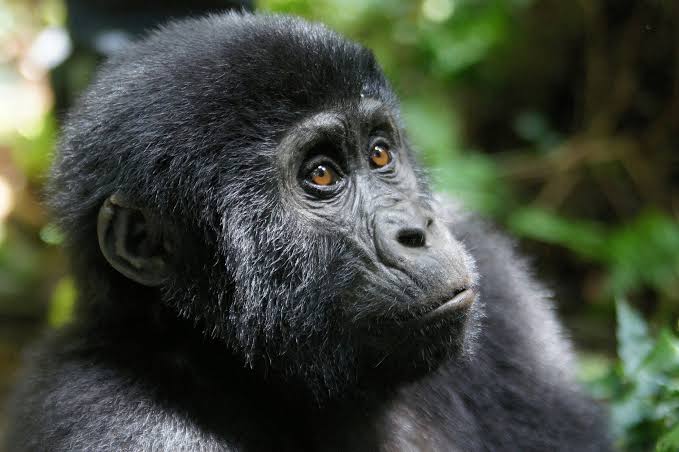
For travellers interested in African primates, gorilla trekking in Kahuzi-Biega National Park offers a different experience from the mountain gorilla encounters of Uganda and Rwanda. This park protects Grauer’s gorillas, also known as eastern lowland gorillas, the largest of the four recognised gorilla subspecies.
The experience traditionally involves hiking through forest habitat with trained guides and trackers to observe a gorilla group in its natural environment. Along the way, visitors can learn about the rainforest ecosystem, gorilla behaviour and the conservation work needed to protect these endangered animals.
Kahuzi-Biega is also recognised as a UNESCO World Heritage Site. Its diverse habitats and wildlife make it an important centre for biodiversity conservation in the Albertine Rift region.
Important travel update: The park’s official management reported a temporary closure to visitors and tourism in June 2026 because of insecurity in South Kivu Province. Travellers must confirm that the park has officially reopened and that travel is considered safe before making plans. The activities described below explain the destination and its established trekking experience; they should not be interpreted as confirmation of current availability.
Where Is Kahuzi-Biega National Park?
Kahuzi-Biega National Park is located in eastern Democratic Republic of the Congo, west of Lake Kivu, near the city of Bukavu in South Kivu Province.
The park takes its name from two prominent dormant volcanoes, Mount Kahuzi and Mount Biega. Its landscapes include high-altitude rainforest, lowland tropical forest, bamboo vegetation, peat bogs and other habitats that support a remarkable variety of wildlife.
The park covers approximately 6,000 square kilometres and is one of the region’s important conservation areas. It was established in 1970 and inscribed on the UNESCO World Heritage List in 1980.
Its location near Lake Kivu and the wider Great Lakes region makes it geographically relevant to travellers researching multi-country itineraries involving Rwanda and eastern DRC. However, any cross-border journey must be assessed against current border arrangements and official security advice.
What Makes Gorilla Trekking in Kahuzi-Biega Different?
The defining attraction of Kahuzi-Biega is the opportunity, when tourism is operating, to observe eastern lowland gorillas in their natural habitat.
Eastern Lowland Gorillas, Also Known as Grauer’s Gorillas
Eastern lowland gorillas (Gorilla beringei graueri) are native to the eastern Democratic Republic of the Congo. They are distinguished from mountain gorillas by their subspecies classification, distribution and adaptations to their forest environments.
These gorillas live in social groups and spend much of their time feeding on leaves, shoots, fruit and other available vegetation. Their daily movements depend on food availability, habitat conditions and group behaviour.
Observing them in the forest can offer insights into their social interactions, feeding habits and relationship with their environment.
A Forest-Based Wildlife Experience
Unlike a conventional game drive across open savannah, gorilla trekking requires walking through natural forest habitat. Trekkers may encounter steep slopes, dense vegetation, muddy ground and changing weather.
The time needed to locate a gorilla group varies with its movements and the conditions on the day. A successful sighting is never guaranteed.
The experience is best suited to travellers who are comfortable with outdoor activity and understand the importance of following wildlife-viewing rules.
What Happens During a Gorilla Trek?
When the park is open and trekking is authorised, the experience generally follows a structured process.
1. Registration and briefing
Visitors report to the designated visitor centre, complete the required registration and receive instructions from park personnel. The briefing covers safety, gorilla conservation and responsible wildlife viewing.
2. Meeting the guide and trackers
Visitors are accompanied by authorised guides and trackers who work to locate the designated gorilla group. The route and walking duration depend on where the animals are found.
3. Hiking through the forest
The trek takes visitors through natural vegetation, where terrain may be uneven, steep or muddy. The walking time varies, so travellers should be prepared for a physically demanding excursion.
4. Observing the gorillas
When the group is located, visitors follow the guide’s instructions and observe the gorillas from the required distance. Gorilla visits have traditionally been limited to a maximum of one hour, subject to park rules and the guide’s decision.
5. Returning from the trek
After the viewing period, the group returns with its guide. The duration of the return walk depends on the route and forest conditions.
These arrangements are a description of the established trekking format. Current procedures, permitted routes and activity availability must be reconfirmed directly with park management after any official reopening.
Gorilla Trekking Permits and Prices
A gorilla trekking permit is required for an authorised visit to habituated gorilla groups. However, visitors should not rely on older prices circulated by tour operators or travel blogs as confirmation of the current tariff.
Because the park has reported a temporary closure, travellers should first confirm whether tourism has resumed. If reopening is officially announced, request written confirmation of:
- The current gorilla trekking permit price.
- Permit availability for the intended date.
- Any additional park entry or guiding fees.
- Payment procedures and accepted currencies.
- Cancellation, refund and rescheduling policies.
- Any additional entry documentation or visa arrangements.
Do not pay for a trekking experience until the park’s reopening, permit validity and travel arrangements have been independently confirmed.
Best Time for Gorilla Trekking in Kahuzi-Biega
Kahuzi-Biega’s rainforest environment can be wet throughout the year. Relatively drier periods can make hiking easier, while rainfall may leave forest trails slippery and more challenging.
The periods often described as relatively dry are June to September and January to February. However, weather alone does not determine whether a visit is advisable.
For this destination, current security conditions and official park access take priority over seasonal recommendations. A traditionally favourable trekking season does not mean that travel is currently safe or that the park is open.
What Should You Pack for Gorilla Trekking?
Once tourism is officially operating and your visit is confirmed, suitable equipment can make a forest trek more comfortable.
Recommended items include:
- Waterproof hiking boots with good grip.
- Long trousers and a long-sleeved shirt.
- A lightweight waterproof jacket.
- Gardening or hiking gloves for protection against vegetation.
- Drinking water and a small daypack.
- Insect repellent and basic personal medication.
- A camera without flash.
- Warm layers for cool or damp conditions.
- Any required health documentation and personal essentials.
Follow the park’s current instructions regarding masks, health screening and minimum viewing distances. Visitors who are unwell may be denied access to protect both people and gorillas from disease transmission.
Gorilla trekking is generally restricted to visitors aged 15 and above under the park’s published rules. Confirm the current age requirement before booking.
Conservation and the Importance of Kahuzi-Biega
Kahuzi-Biega plays a significant role in the conservation of Grauer’s gorillas and other threatened species. Its varied habitats support numerous mammals, birds and plants, making the park important for biodiversity across the Albertine Rift.
The park also faces conservation pressures, including habitat loss, poaching, population pressure and armed conflict. Protecting its wildlife requires sustained conservation work and cooperation with Indigenous and local communities.
When tourism is responsibly managed and safe to operate, it can help raise conservation awareness and create economic opportunities connected to protecting natural habitats.
Responsible gorilla viewing requires visitors to remain with their guides, maintain the required distance, avoid loud noises and sudden movements, refrain from feeding wildlife and take all rubbish out of the forest.
How to Plan a Future Kahuzi-Biega Gorilla Safari
A future visit requires more preparation than simply booking a gorilla permit. Travellers should establish whether the park is open, whether their intended route is safe and whether accommodation, transport and visitor services are operating.
Before confirming travel, check:
- The latest official park reopening announcement.
- Government travel advisories for South Kivu and the surrounding region.
- Whether road transport and border crossings are operating safely.
- The validity of the required visa and travel documents.
- Confirmed permits, accommodation and authorised guiding.
- The operator’s cancellation and contingency arrangements.
Bukavu has historically been the main urban base for accessing the park, and the park headquarters are in the Tshivanga area. Nevertheless, historic travel times and routes should not be treated as current guidance during a closure or security disruption.
Avoid making non-refundable bookings until the relevant authorities confirm that tourism access has resumed.
Kahuzi-Biega Gorilla Trekking Compared with Mountain Gorilla Trekking
Travellers researching gorilla safaris often compare Kahuzi-Biega with Uganda’s Bwindi Impenetrable National Park, Uganda’s Mgahinga Gorilla National Park and Rwanda’s Volcanoes National Park.
The key biological distinction is the gorilla subspecies: Kahuzi-Biega is associated with eastern lowland gorillas, while the established trekking experiences in Uganda and Rwanda focus on mountain gorillas.
The destinations also differ in landscape, access, permits, tourism infrastructure and prevailing security conditions. Because these factors change over time, travellers should compare current official information rather than assume that prices, access or operating conditions are equivalent.
For anyone whose primary goal is to see gorillas, the most suitable destination depends on the type of gorilla experience sought, current safety advice, permit availability, travel logistics and personal preferences.
Final Thoughts: Is Kahuzi-Biega Worth Knowing About?
Kahuzi-Biega National Park is an important destination in the conservation story of eastern lowland gorillas. Its rainforest landscapes, Grauer’s gorillas and biodiversity give it a distinctive place among Africa’s protected areas.
For wildlife enthusiasts and conservation-minded travellers, learning about the park offers an opportunity to understand a gorilla species that receives less international attention than mountain gorillas.
However, a responsible travel decision must begin with the current situation on the ground. The official management team reported the park closed to visitors in June 2026 because of insecurity in South Kivu. Until an official reopening and safe access are confirmed, visitors should treat Kahuzi-Biega as a destination for research and future planning rather than an immediately bookable gorilla trek.
For future travel planning, consult the official park website and relevant government advisories before making reservations.
Raptors africa safaris — Journeys Beyond Mapping.