+256-702 595 926 | info@bookgorillatracking.com

Gorilla Trekking for Pregnant Women | Safety Guide

Gorilla Trekking for Pregnant Women: Safety, Assisted Trekking and Travel Tips in East Africa
Introduction: Can Pregnant Women Go Gorilla Trekking?
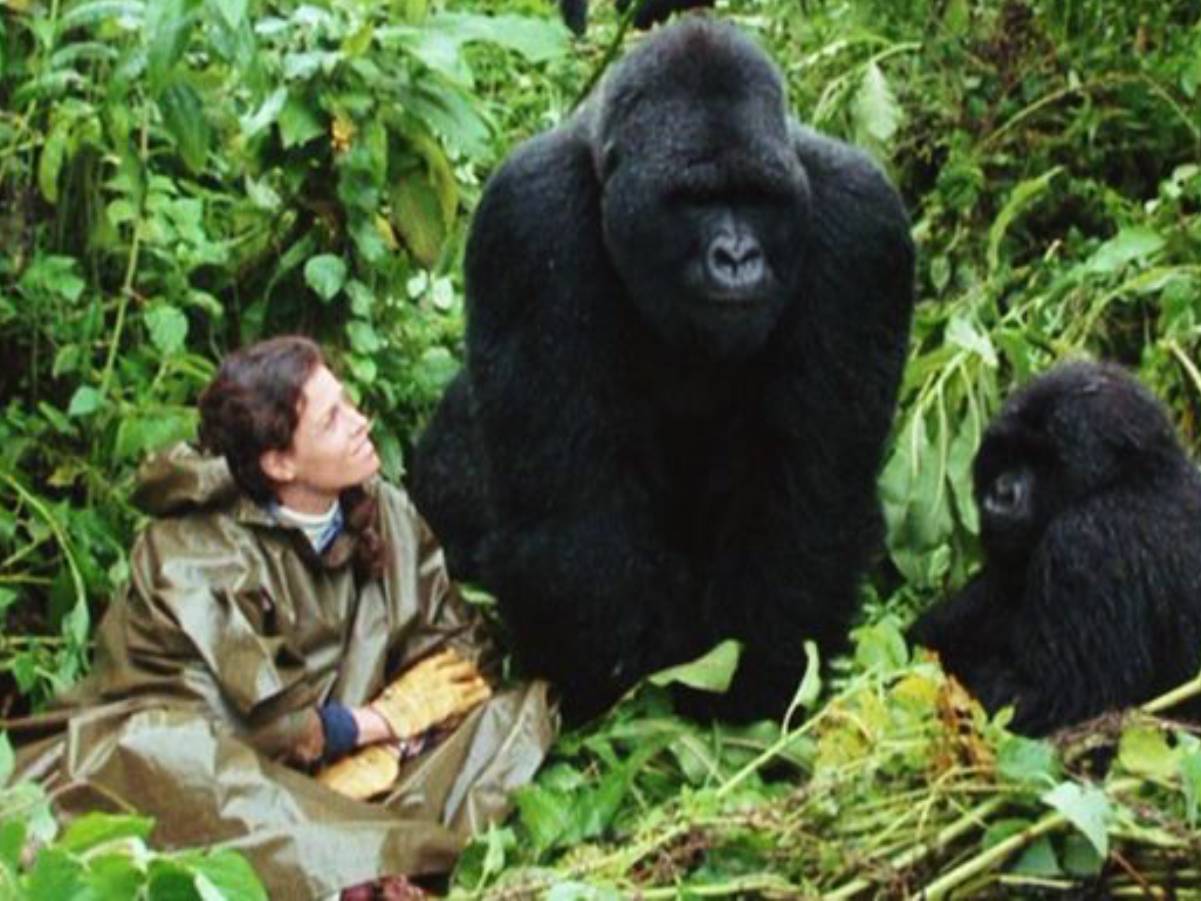
Gorilla trekking is one of the most remarkable wildlife experiences in East Africa, offering visitors an opportunity to observe endangered mountain gorillas in their natural habitat. The adventure takes place in the mountainous rainforests of Uganda and Rwanda, where visitors hike through dense vegetation, follow rugged trails, and encounter gorilla families under the guidance of experienced park rangers and trackers.
For expectant mothers planning an African safari, an important question is whether gorilla trekking during pregnancy is advisable and what arrangements may make the experience more manageable.
Gorilla trekking while pregnant requires careful medical assessment and advance planning.
The activity can involve steep slopes, slippery trails, high humidity, variable temperatures, altitude, and several hours of physical exertion. These conditions may present additional risks during pregnancy, even when a traveler receives assistance.
Some safari destinations offer assisted-carry services, commonly using a sedan chair or stretcher carried by trained porters. These arrangements may reduce the amount of walking required, but they do not eliminate the risks associated with remote forest terrain or guarantee that the activity is suitable during pregnancy.
At Raptors Africa Safaris, we encourage expectant travelers to consult their maternity healthcare provider before making a booking and to discuss their individual circumstances with the safari operator and relevant park authorities.
This guide explains where gorilla trekking takes place in East Africa, how assisted trekking works, what to consider when budgeting, and how to plan a safari with safety as the priority.
Where Is Gorilla Trekking Done in East Africa?
Mountain gorilla trekking is available in protected areas in Uganda and Rwanda. The Democratic Republic of Congo also has important gorilla habitats, although travelers must verify current park operations and security conditions before considering a visit.
1. Gorilla Trekking in Uganda
Uganda is a leading destination for mountain gorilla trekking, with two national parks protecting habituated gorilla families: Bwindi Impenetrable National Park and Mgahinga Gorilla National Park.
Bwindi Impenetrable National Park
Bwindi Impenetrable National Park is located in southwestern Uganda and protects an extensive area of tropical rainforest that provides habitat for a significant proportion of the world’s remaining mountain gorillas.
The park has four main gorilla trekking sectors:
-
- Buhoma: Located in northern Bwindi, with a range of accommodation options and established trekking operations.
-
- Ruhija: Located in eastern Bwindi, known for mountainous forest scenery and birdwatching opportunities.
-
- Rushaga: Located in southern Bwindi, with several habituated gorilla families and opportunities for the gorilla habituation experience.
-
- Nkuringo: Located in southwestern Bwindi, characterized by steep terrain and scenic highland landscapes.
For pregnant travelers, the choice of sector should not be based solely on accommodation or scenery. Trekking conditions depend on the location of the assigned gorilla family, the terrain, the weather, and the distance covered on the day.
A shorter drive to the park headquarters does not necessarily mean an easier trek. Even families that are relatively close to the starting point may require visitors to negotiate steep or uneven ground.
Before booking, travelers should ask about the availability of assisted-carry services, the physical demands of the intended trek, and the procedures for requesting assistance.
Bwindi can be reached by road from Kampala or Entebbe, or by domestic flight to an appropriate airstrip, depending on the selected trekking sector.
Mgahinga Gorilla National Park
Mgahinga Gorilla National Park is situated in Kisoro District in southwestern Uganda, within the Virunga volcanic mountain range.
The park is known for mountain gorillas, bamboo forests, volcanic scenery, and guided mountain activities. Gorilla trekking centers on the habituated Nyakagezi gorilla family, subject to current park arrangements.
The terrain can be steep, and the altitude and changing weather conditions should be considered when assessing whether a trek is appropriate during pregnancy.
Expectant travelers interested in Mgahinga should confirm the availability of assisted-carry arrangements and discuss the proposed activity with their healthcare provider before booking.
The park can be reached by road through southwestern Uganda, with domestic flights to Kisoro sometimes available depending on schedules.
2. Gorilla Trekking in Rwanda
Volcanoes National Park
Volcanoes National Park in northwestern Rwanda is another major destination for mountain gorilla trekking.
The park protects forested volcanic slopes and bamboo habitats within the Virunga mountain range. It is accessible by road from Kigali, making it a convenient option for travelers planning a relatively short Rwanda safari.
However, the journey from Kigali to the park is only one part of the experience. The actual trek can involve challenging mountain terrain, muddy trails, and several hours of walking.
Pregnant travelers should not assume that Rwanda’s shorter road transfer automatically makes the trek physically easier or safer.
Before confirming a booking, ask the relevant authorities whether assisted-carry services are available for your intended trek and whether any additional arrangements or restrictions apply.
3. Gorilla Trekking in the Democratic Republic of Congo
The Democratic Republic of Congo is home to two important types of gorilla trekking experiences.
Virunga National Park is associated with mountain gorillas, while Kahuzi-Biega National Park is known for eastern lowland gorillas, also called Grauer’s gorillas.
These are different gorilla subspecies, and the trekking experiences are not interchangeable.
Travelers considering either destination must verify current visitor access, security conditions, operational status, and available services before making arrangements. Virunga’s official visitor information has reported closures of gorilla trekking until further notice, so the activity should not be assumed to be available.
For expectant travelers, remote access to medical care and emergency evacuation arrangements are especially important considerations when evaluating any destination.
Is Gorilla Trekking Safe During Pregnancy?
There is no single answer that applies to every pregnancy.
The suitability of gorilla trekking depends on several factors, including the stage of pregnancy, the individual’s health, any pregnancy-related complications, the terrain, the expected physical demands, and access to emergency medical care.
Gorilla trekking is not a simple walk along a maintained path. Depending on the gorilla family’s location, visitors may encounter steep slopes, muddy ground, dense vegetation, and uneven surfaces. The search can take several hours, and the return journey may be equally demanding.
Pregnancy can affect balance, stamina, tolerance of heat, and the body’s response to physical exertion. A fall, dehydration, exhaustion, or an unexpected medical complication in a remote forest may be difficult to manage promptly.
Before booking, discuss the following with your healthcare provider:
-
- Your stage of pregnancy and general health.
-
- Any history of pregnancy complications or restrictions on exercise.
-
- Whether strenuous walking, uneven terrain, and altitude are appropriate for you.
-
- The distance from the trekking area to suitable medical facilities.
-
- The availability of emergency evacuation and maternity care.
-
- Your travel insurance coverage, including pregnancy-related medical treatment and evacuation.
A healthcare provider’s assessment should be based on your individual circumstances. An assisted-carry service should not be treated as a substitute for medical advice or as proof that the activity is safe.
If your healthcare provider advises against strenuous activity or remote travel, consider an alternative wildlife experience that does not require entering the forest on foot.
Assisted Gorilla Trekking for Pregnant Women
Some gorilla trekking destinations offer assisted-carry services for visitors who have difficulty walking long distances or navigating challenging terrain.
These services may involve a specially designed sedan chair or stretcher carried by a team of porters. Availability, equipment, carrying procedures, and costs vary by destination and operator.
Assisted trekking may reduce the amount of walking a visitor needs to undertake, but it does not remove every physical demand. The carrying team still needs to negotiate the terrain, and the traveler may experience movement, jolting, changes in elevation, and delays.
Pregnant travelers should obtain medical advice before relying on an assisted-carry arrangement.
What Is a Sedan Chair?
A sedan chair is a purpose-designed seat used to transport a person along a route that may be difficult to navigate on foot.
In gorilla trekking areas, a team of porters carries the chair along the forest trail, following the instructions of the guides and park staff.
The service is sometimes requested by visitors with limited mobility or those who cannot comfortably complete the trek on foot.
However, not every trail is equally suitable for a sedan chair. The route, terrain, weather, carrying arrangements, and the individual’s health must all be considered.
Expectant travelers should confirm the specific equipment and procedures with the safari operator before making a decision.
What Is a Traditional Stretcher?
A stretcher is another assisted-carry option that may be available in some trekking areas.
Unlike a seated arrangement, a stretcher transports the visitor in a reclining or lying position. A team of porters carries it along the designated route.
Its suitability depends on the equipment available, trail conditions, the carrying team’s arrangements, and the visitor’s individual circumstances.
Pregnant travelers should not assume that a stretcher is safer than a sedan chair. Both involve transportation over uneven terrain, and neither removes the risks associated with remote forest trekking.
How Many Porters Are Required?
The number of porters depends on the equipment, the terrain, the visitor’s needs, and the operating arrangements.
A team may consist of several porters, but the exact number should be confirmed in advance with the operator and the relevant park authority.
Raptors Africa Safaris can help travelers enquire about available services, estimated costs, and booking requirements. Final arrangements must be confirmed with the responsible local providers.
How to Arrange Assisted Gorilla Trekking
If your healthcare provider considers the proposed travel and activity appropriate, the next step is to discuss practical arrangements before confirming the safari.
Step 1: Choose the destination
Identify whether you intend to visit Bwindi Impenetrable National Park, Mgahinga Gorilla National Park, or Volcanoes National Park.
Consider road transfers, accommodation, access to medical facilities, and the practical demands of reaching the trekking starting point.
Step 2: Discuss your requirements with your safari operator
Explain that you are pregnant and wish to enquire about assisted trekking.
You should ask about the available equipment, the number of porters, the terrain, estimated trekking duration, and the procedure if you need to stop or withdraw from the activity.
Step 3: Confirm availability in advance
Assisted-carry arrangements require planning and coordination. Do not assume that a sedan chair, stretcher, or carrying team will be available simply because you have purchased a gorilla trekking permit.
Ask for confirmation of the service, its cost, and any relevant conditions before making non-refundable bookings.
Step 4: Secure the gorilla permit
Gorilla trekking permits are limited and must be obtained through the relevant park authority or an authorized booking channel.
The permit price is separate from the cost of assisted-carry services unless the confirmed package explicitly states otherwise.
Step 5: Review the complete itinerary
Allow enough time for road transfers, rest, accommodation check-in, and unexpected delays.
Discuss contingency arrangements with your operator, including what happens if you decide not to participate in the trek or become unwell during the trip.
How Much Does Assisted Gorilla Trekking Cost?
The total cost of gorilla trekking depends on the destination, permit category, accommodation standard, transportation, and any additional services required.
Assisted-carry services are generally an additional expense and should be budgeted separately unless included in the safari quotation.
Prices for sedan chairs, stretchers, and porter teams vary according to the destination and arrangements. Any quoted figure should be confirmed directly before booking.
Gorilla trekking permit costs
Permit fees differ between Uganda and Rwanda and can change over time. They may also vary according to nationality, residency status, promotions, and the type of experience.
For planning purposes, request a current quotation that identifies:
-
- The gorilla trekking permit.
-
- Accommodation and meals.
-
- Airport transfers and ground transportation.
-
- Sedan chair or stretcher service, if available and appropriate.
-
- Porter services.
-
- Park-related fees and other planned activities.
-
- Applicable cancellation and rescheduling conditions.
Do not rely on an old online price when budgeting for a future safari. Confirm the current tariff and permit availability before paying.
What Is the Best Time for Gorilla Trekking in East Africa?
Mountain gorilla trekking takes place throughout much of the year, but rainfall and trail conditions can influence the experience.
June to September
This period is generally part of the drier season in Uganda and Rwanda. Trails may be less muddy, although rain remains possible in tropical mountain forests.
These months are popular with international travelers, so permits and accommodation should be arranged well in advance.
December to February
These months often provide another relatively dry period for visiting gorilla trekking destinations.
However, weather conditions vary, and the trails can still be slippery or physically demanding.
March to May and October to November
These periods commonly include wetter conditions in many gorilla trekking areas.
Rain can increase the difficulty of navigating forest trails. Expectant travelers should be particularly cautious about slippery ground and should not assume that a shorter or assisted trek eliminates the risk of falling.
For pregnant travelers, the best time to travel is not determined by weather alone. Individual medical advice, the planned activities, access to medical care, and the flexibility of the itinerary are more important than choosing a traditionally dry month.
What Should Pregnant Travelers Pack for a Gorilla Safari?
Packing carefully can make the overall journey more comfortable, although appropriate equipment does not make a strenuous trek medically safe.
Useful items include:
-
- Comfortable clothing suitable for a humid forest environment.
-
- A lightweight waterproof jacket.
-
- Supportive footwear for transfers and other activities.
-
- Drinking water, following guidance from your healthcare provider and tour operator.
-
- Personal medications and relevant medical documentation.
-
- Insect repellent suitable for use during pregnancy, selected according to healthcare advice.
-
- A small daypack for essential items.
-
- Travel insurance documentation and emergency contact details.
Discuss any medication, vaccination, or travel-health questions with a qualified healthcare professional before departure.
If you are not undertaking the trek on foot, confirm what clothing and equipment are appropriate for the assisted-carry arrangement and the planned route.
Important Considerations Before Booking Gorilla Trekking During Pregnancy
Pregnancy-related travel requires more than arranging a permit and an appropriate vehicle.
Access to medical facilities
Some gorilla trekking areas are remote, and reaching a suitable hospital may take considerable time. Emergency evacuation may involve additional logistics and costs.
Confirm the location and capabilities of nearby medical facilities, as well as the arrangements available if urgent treatment is required.
Travel insurance
Read your insurance policy carefully. Some policies exclude pregnancy-related complications, particular stages of pregnancy, strenuous activities, or medical evacuation.
Obtain written confirmation of the cover that applies to your circumstances and planned itinerary.
Flexibility and cancellation arrangements
Medical advice may change as a pregnancy progresses. Before paying deposits, review the cancellation, rescheduling, and permit policies for every component of your trip.
Ask what happens if you are advised not to trek, become unwell before the activity, or need to change your itinerary.
Alternative activities
If gorilla trekking is not appropriate, you can still enjoy an exceptional East African safari.
Depending on your destination and healthcare advice, alternatives may include scenic drives, selected cultural visits, accessible viewpoints, birdwatching from suitable locations, or wildlife viewing from a vehicle.
The aim is to choose experiences that suit your circumstances rather than feel obliged to complete a strenuous activity.
Alternatives to Gorilla Trekking for Pregnant Travelers
Travelers who decide against gorilla trekking can explore other destinations and activities in Uganda and Rwanda.
Game drives in Queen Elizabeth National Park
Vehicle-based game drives offer opportunities to observe elephants, buffaloes, antelopes, and other savannah wildlife without undertaking a long forest hike.
The suitability of a particular drive depends on road conditions, the vehicle, duration, and individual comfort.
Boat cruises on the Kazinga Channel
A scheduled boat cruise offers opportunities to observe hippos, crocodiles, elephants near the shoreline, and a variety of waterbirds.
Check the vessel, boarding arrangements, seating, and duration before booking.
Wildlife viewing in Lake Mburo National Park
Lake Mburo National Park offers vehicle-based wildlife viewing and scenic landscapes. Activities should be selected according to your medical advice and comfort level.
Cultural experiences and scenic tours
Selected cultural visits, craft experiences, and scenic drives can provide meaningful ways to discover East African landscapes and traditions without entering steep forest terrain.
Raptors Africa Safaris can help build an alternative itinerary around your interests, available time, and individual travel requirements.
Why Plan Your Gorilla Safari With Raptors Africa Safaris?
Raptors Africa Safaris helps travelers organize wildlife experiences across Uganda and other East African destinations.
For travelers who are pregnant or have mobility concerns, advance communication is particularly important. We can help enquire about trekking arrangements, accommodation locations, transportation, permit availability, and alternative activities.
Our planning process focuses on realistic expectations and clear communication about the physical demands of each activity.
We recommend that expectant travelers obtain medical advice before booking and share relevant practical requirements with the safari team. Any assisted-carry service must be confirmed with the responsible providers, and no arrangement should be represented as guaranteeing safety during pregnancy.
Whether you are considering a gorilla safari or a more relaxed wildlife itinerary, we can help you explore options that fit your circumstances.
Frequently Asked Questions About Gorilla Trekking for Pregnant Women
1. Can pregnant women go gorilla trekking in Uganda?
The suitability of gorilla trekking during pregnancy depends on individual medical circumstances and the demands of the trek. Pregnant travelers should consult their healthcare provider before booking and confirm the available arrangements with the park authority and safari operator.
2. Can a pregnant woman use a sedan chair during gorilla trekking?
A sedan chair may be available in some trekking areas, but availability and suitability must be confirmed in advance. It can reduce the need to walk but does not eliminate the risks associated with uneven terrain, carrying movements, or remote access to medical care.
3. How much does a sedan chair cost for gorilla trekking?
The price varies according to the destination and the local carrying arrangements. Request a current quotation that identifies the equipment, number of porters, service conditions, and any additional charges.
4. Is a stretcher safer than walking during pregnancy?
Not necessarily. A stretcher may reduce the need to walk, but it still involves transportation over uneven ground and does not eliminate the risks of a remote forest environment. Discuss the activity with your healthcare provider before considering it.
5. Can pregnant women go gorilla trekking in Rwanda?
The same medical and physical considerations apply in Rwanda. A relatively short transfer from Kigali does not guarantee that the trek itself will be easy or suitable during pregnancy. Confirm local arrangements and seek medical advice before booking.
6. How long does gorilla trekking take?
The time required varies according to the location of the gorilla family, the terrain, and weather conditions. The search can take several hours, followed by a designated viewing period that is generally limited to one hour for standard mountain gorilla trekking in Uganda and Rwanda.
7. What happens if a pregnant traveler cannot complete the trek?
The outcome depends on the park’s procedures, the permit terms, and the circumstances. Discuss withdrawal procedures, cancellation conditions, and contingency arrangements before booking. Do not assume that an unused permit or assisted-carry service will automatically be refundable.
8. What alternatives are available if gorilla trekking is not advisable?
Vehicle-based game drives, suitable boat cruises, scenic drives, cultural visits, and selected birdwatching experiences may provide alternatives. The most appropriate option depends on individual medical advice, accessibility, and travel conditions.
Conclusion: Plan Your East African Safari Carefully
Gorilla trekking for pregnant women requires careful consideration of medical advice, physical demands, destination accessibility, and emergency arrangements.
Uganda’s Bwindi Impenetrable National Park and Mgahinga Gorilla National Park, together with Rwanda’s Volcanoes National Park, offer exceptional mountain gorilla experiences. However, the steep terrain, unpredictable trekking duration, and distance from advanced medical care mean that assisted-carry services should never be viewed as a guarantee of safety.
Before booking, consult your maternity healthcare provider, verify the availability of any requested assistance, review your travel insurance, and establish clear contingency plans.
Raptors Africa Safaris can help you explore gorilla trekking arrangements and alternative East African wildlife experiences. Contact our team to discuss your travel plans and build an itinerary around your individual needs, comfort, and safety.