+256-702 595 926 | info@bookgorillatracking.com

Birding Areas of Uganda

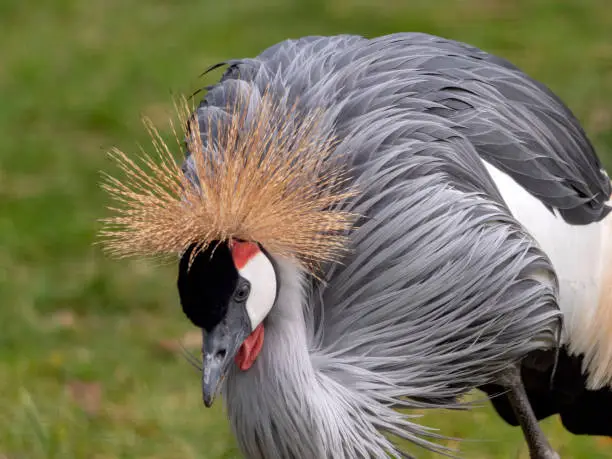
Uganda has long been celebrated as the “Pearl of Africa,” a phrase coined by Winston Churchill to describe its rolling landscapes and abundant wildlife. However, for ornithologists and birdwatching enthusiasts, Uganda is nothing short of a paradise. It is a hidden Eden boasting a biodiversity density that is hard to match anywhere else on the continent. With over 1,090 recorded bird species. It represents roughly 50% of Africa’s bird list and 11% of the global total. Uganda is arguably the richest country for birding on the continent.
What makes Uganda truly special is not just the sheer number of birds, but the variety of accessible habitats compressed within its borders. From the high-altitude montane forests of the Albertine Rift to the endless savannas of Queen Elizabeth and the papyrus swamps of the Lake Victoria basin, the country offers a lifetime of birding experiences. Whether you are a seasoned “twitcher” chasing specific endemics or a casual nature lover, here is a guide to the best birding areas in Uganda.
Murchison Falls National Park
Located in the northwestern part of the country, Murchison Falls is Uganda’s largest and oldest conservation area. It is a birding powerhouse that offers a unique mix of savanna, riverine, and forest species. The centerpiece of the park is the dramatic Murchison Falls, where the Nile explodes through a narrow gorge.
The birding here is phenomenal, largely due to the variety of biomes. The Budongo Forest, located at the southern tip of the park (Kaniyo Pabidi), is a haven for forest birds. It is one of the best places in East Africa to see the elusive Puvel’s Illadopsis, a bird that is notoriously difficult to spot elsewhere. Budongo is also famous for its chocolate-backed kingfishers and the noisy, bare-cheeked turacos.
Down by the river, a boat cruise to the base of the falls is mandatory for birders. The banks teem with life. You will see massive flocks of Red-throated Bee-eaters nesting in the sandy cliffs, their brilliant plumage shining in the sun. The boat ride offers close-up views of the Saddle-billed Stork, the giant Goliath Heron, and the African Skimmer. With luck, you might spot the prehistoric-looking Shoebill in the delta where the Nile flows into Lake Albert, making Murchison one of the few places where you can see this iconic bird alongside lions and elephants.
Queen Elizabeth National Park
Queen Elizabeth National Park (QENP) is often cited as having the highest bird count of any protected area in Uganda, with over 600 species recorded. Its diversity stems from the vast range of habitats, including open savanna, dense wetlands, crater lakes, and forests.
The Kazinga Channel, a 40-kilometer waterway that connects Lake Edward and Lake George, is the pulse of the park. A boat launch here is a sensory overload. You will drift past thousands of waterbirds, including the Great White and Pink-backed Pelicans, the African Spoonbill, and the Yellow-billed Stork. The channel is also famous for its high concentration of African Fish Eagles, whose haunting calls echo over the water.
For those seeking the rare and localized specials, the Maramagambo Forest offers a different vibe. This tropical forest is home to the Forest Flycatcher and the White-naped Pigeon. Meanwhile, the remote Ishasha sector in the south is famous for its tree-climbing lions, but it is also a great spot to search for the Broad-billed Roller and the Sooty Chat. QENP is arguably the best place in Uganda to see the iconic Cranes (the national bird) dancing in the grasslands.
Bwindi Impenetrable National Park
While most visitors flock to Bwindi to track the mountain gorillas, the forest is a sacred site for birders. It is one of the few places on Earth where you can find the “Albertine Rift Endemics” – bird species that exist only in the high-altitude forests that stretch along the western arm of the Rift Valley.
Bwindi is home to 23 of the 24 Albertine Rift endemics found in Uganda, a record unmatched by any other park. The star attraction here is the African Green Broadbill, a tiny, vivid green bird that is incredibly rare and difficult to locate. However, the forest is teeming with other specials, including the Rwenzori Turaco, the Red-faced Woodland Warbler, the Collared Apalis, and the stunning Regal Sunbird.
Birding in Bwindi requires patience and a good level of fitness. The trails are steep and muddy, and the “impenetrable” vegetation often makes visibility a challenge. However, the payoff is immense. You don’t just see the birds here; you experience the ancient atmosphere of a cloud forest, often surrounded by the sounds of gorillas moving through the underbrush and chimpanzees calling from the canopy.
Kibale National Park
Kibale is renowned for having the highest density of primates in Africa, most notably the Chimpanzee. However, the forest is also a birder’s delight. With over 375 species, it offers a seamless blend of forest birding and primate watching.
The Kanyanchu Riverwalk is a productive trail, offering chances to see the Papyrus Gonolek in the wetlands nearby and the Green-breasted Pitta. The Pitta is a skulking ground-dweller with a spectacular display that is notoriously hard to catch, making it a “holy grail” for many birders. Kibale is also excellent for seeing the African Pitta (seasonal) and the Cassin’s Spinetail.
Adjacent to the national park is the Bigodi Wetland Sanctuary, a community-managed project. This swamp walk offers some of the easiest birding in the region. The boardwalks allow you to get close to the Great Blue Turaco, a bird so beautiful it looks fake, with its bright blue and yellow plumage and a distinctive crest. The wetland is also home to the Blue-headed Coucal and the numerous sunbirds that flit around the wild coffee plants.
Semuliki National Park
If you want to feel like you have stepped into the Congo rainforest without leaving Uganda, Semuliki is the place to go. Located in the Albertine Rift Valley, this park sits at the intersection of the East African savanna and the Central African rainforest. It is famous for its “Sempaya Hot Springs,” but for birders, it is the location of Guinea-Congo biome species that are found nowhere else in East Africa.
The birding in Semuliki is intense and humid. The Kirumia River trail is a popular route that winds through the lowland forest. Here, you can look for the Congo Serpent Eagle, the Spot-breasted Ibis, and the Red-billed Dwarf Hornbill. It is one of the best places to see the Long-tailed Hawk and the Lyre-tailed Honeyguide.
Night walks in Semuliki are particularly rewarding. The park is home to the elusive Nkulengu Rail, a bird that has been seen by very few people but is sometimes spotted flushing from the undergrowth at night. The chorus of owls and nightjars adds a mystical quality to the forest after dark.
Mabamba and Lutembe Bay
No birding guide to Uganda would be complete without mentioning the wetlands that border Lake Victoria. These are papyrus swamps, vast and floating, that are critical to the survival of several specialized species.
Mabamba Bay, located west of Entebbe, is the premier destination in the world for seeing the Shoebill Stork. Tracking the Shoebill here involves a canoe ride through narrow channels cut through papyrus. It is a silent, stealthy hunt. Aside from the Shoebill, Mabamba is teeming with waterbirds like the Blue-breasted Bee-eater, the Malachite Kingfisher, and the Purple Swamphen.
Lutembe Bay, on the other side of Entebbe, is a Ramsar site known for massive congregations of Palearctic migrants (birds coming from Europe and Asia). At certain times of the year, you can see over a million White-winged Terns swirling over the bay. It is also a reliable spot for the Papyrus Yellow Warbler and the elusive White-backed Duck.
Mount Elgon National Park
Straddling the border with Kenya, Mount Elgon offers a different montane habitat. The higher altitude brings with it a distinct set of birds. The park is lush, forested, and much quieter than the savanna parks.
Here, you can find the Jackson’s Francolin and the Black-collared Apalis. The mountain is also a stronghold for the Red-fronted Parrot and the Montane Oriole. The birding here is often done as part of hiking the mountain’s spectacular caldera, offering stunning scenery alongside the avian diversity. The Cinnamon Bracken Warbler and the Chubb’s Cisticola are common in the moorland zones near the summit.
Conclusion
Uganda is a destination that rewards curiosity. It is a land where you can spot a majestic eagle soaring over the savanna in the morning, and track a tiny, iridescent sunbird in a rainforest in the afternoon. The country’s commitment to conservation and its network of protected areas ensure that its avian treasures remain accessible. Whether you are ticking off rare endemics or simply soaking in the vibrant colors of the tropics, Uganda’s birding areas offer a symphony of sounds and sights that will resonate with you long after you have returned home.