+256-702 595 926 | info@bookgorillatracking.com

Bahá’í Temple Uganda Entry Fees, Things to Do & Visitor Guide


Bahá’í Temple Kampala Uganda: Entry Fees, Things to Do and Visitor Guide
Bahá’í Temple Kampala Uganda: Entry Fees, Things to Do and Visitor Guide
The Bahá’í Temple in Kampala, Uganda, is one of the country’s most distinctive religious and architectural attractions. Located on Kikaaya Hill, north of Kampala city centre, this peaceful sanctuary welcomes visitors from different religions, nationalities and cultural backgrounds. It is particularly popular with travellers interested in religious heritage, architecture, nature and cultural experiences.
Officially known as the Bahá’í House of Worship, the temple is the first Bahá’í House of Worship built in Africa. It is also known as the Mother Temple of Africa. Its impressive green dome, nine-sided architectural design and beautifully maintained gardens make it one of Kampala’s most recognisable landmarks.
One of the best things about visiting the Bahá’í Temple is that entry is free. Visitors can explore the permitted grounds, appreciate the architecture, learn about the Bahá’í Faith, enjoy nature walks, observe birds and participate in Sunday community prayers.
Whether you are visiting Kampala for a cultural holiday or preparing for a gorilla trekking safari in Uganda, the Bahá’í Temple is a worthwhile addition to your itinerary.
Bahá’í Temple Uganda Entry Fees
One of the most frequently asked questions by travellers planning to visit the Bahá’í Temple is how much they need to pay to enter.
According to the official Bahá’í community visitor guidelines, entry to the Bahá’í Temple and its grounds is free of charge. There is no general admission ticket required for ordinary visitors.
The temple welcomes people of all religious backgrounds and nationalities who wish to visit, pray, meditate or learn about the Bahá’í Faith. However, visitors must follow the management’s guidelines, carry valid identification and respect the religious nature of the property.
Bahá’í Temple Visitor Fees at a Glance
| Visitor service | Fee or arrangement |
|---|---|
| General entrance | Free |
| Visiting the gardens | Free |
| Entering the House of Worship | Free |
| Outdoor photography | Free, subject to guidelines |
| Formal photography and video sessions | Advance booking and approval required |
| Guided or group visits | Confirm arrangements with the Temple Office |
| Sunday community prayers | Free to attend |
Important: Although ordinary entry and photography on the grounds are free, formal photography and video sessions require advance arrangements. Visitors should contact the temple to confirm any special requirements before organising a group or professional shoot.
There is no need to pay an unofficial person claiming to sell ordinary entrance tickets. Follow the official entrance procedures and instructions from temple staff.
Bahá’í Temple Kampala Opening Hours
The Bahá’í Temple is open to visitors six days a week. It is closed on Mondays.
| Day | Opening hours |
|---|---|
| Monday | Closed |
| Tuesday | 8:00 AM – 6:30 PM |
| Wednesday | 8:00 AM – 6:30 PM |
| Thursday | 8:00 AM – 6:30 PM |
| Friday | 8:00 AM – 6:30 PM |
| Saturday | 8:00 AM – 6:30 PM |
| Sunday | 8:00 AM – 6:30 PM |
The temple also holds community devotionals every Sunday from 10:30 AM to 11:30 AM.
Visitors should confirm arrangements before travelling, particularly when planning a large group visit, a formal photography session or participation in a special programme.
Where Is the Bahá’í Temple Located?
The Bahá’í Temple is situated on Kikaaya Hill in Kampala, Uganda, north of the city centre. It is accessible from the Gayaza Road area and can be reached by private vehicle, taxi or an organised Kampala city tour.
Its elevated position provides a peaceful setting surrounded by green gardens and trees. The location makes it a welcome escape from Kampala’s busy streets and commercial areas.
Travellers arriving at Entebbe International Airport can include the temple in a Kampala sightseeing itinerary before travelling to other destinations in Uganda.
Travel time depends on traffic conditions, so allow sufficient time when combining the temple with other city attractions.
History of the Bahá’í Temple in Uganda
The Bahá’í Temple has an important place in the religious history of Uganda and the African continent. It was established as a place of collective worship and reflection, welcoming people regardless of their religious affiliation.
The Bahá’í Faith was introduced to Uganda in 1951. The community subsequently grew, leading to the establishment of the first Bahá’í House of Worship in Africa.
Construction of the temple began in 1958 on Kikaaya Hill. The building was officially opened to the public on 15 January 1961, during a dedication attended by approximately 1,500 people from different backgrounds.
The temple is known as the Mother Temple of Africa because it was the first Bahá’í House of Worship constructed on the continent.
Today, it remains an important religious landmark and a centre for worship, learning and community activities. Its grounds also accommodate the National Bahá’í Community offices and other facilities.
Architecture of the Bahá’í Temple
The architecture is one of the main attractions of the Bahá’í Temple. The building has a distinctive nine-sided design topped by a large green dome.
The design reflects the Bahá’í emphasis on the unity of humanity and the oneness of religion. Its nine entrances symbolise the welcoming nature of the House of Worship, which is open to people from different backgrounds.
The architectural design also draws inspiration from traditional African building forms, particularly the shape of a traditional African hut. The structure was designed to harmonise with its natural surroundings.
Inside the auditorium, visitors encounter a peaceful worship environment with a relatively simple interior. The building is intended for prayer, meditation and reflection rather than elaborate religious ceremonies.
The temple’s architecture and landscaped setting make it a particularly interesting destination for visitors interested in religious buildings and cultural heritage.
Things to Do at the Bahá’í Temple Kampala
A visit to the Bahá’í Temple offers several activities beyond admiring its impressive architecture. Visitors can enjoy nature, learn about the Bahá’í Faith, participate in community programmes and spend time in a peaceful environment.
1. Explore the Bahá’í House of Worship
The main activity is exploring the House of Worship itself. Visitors can appreciate its nine-sided structure, green dome and carefully designed interior.
The auditorium is open to people of all religions and provides a quiet place for prayer and meditation. You do not need to be a Bahá’í to enter.
Visitors should maintain silence inside the auditorium and respect those using the space for worship. Photography is not permitted inside the Temple Auditorium.
2. Walk Through the Beautiful Gardens
The gardens surrounding the temple are among its most attractive features.
Visitors can enjoy walking along designated paths, appreciating the trees, flowers and landscaped grounds. The green environment provides a relaxing escape from Kampala’s busy urban atmosphere.
The gardens are suitable for visitors who enjoy nature, peaceful walks and outdoor relaxation.
Remember not to pick flowers, damage plants or climb trees. Follow the instructions of the staff and remain within areas designated for visitors.
3. Attend Sunday Community Prayers
Attending the Sunday devotional programme is one of the most meaningful activities at the temple.
The community devotional gathering takes place every Sunday from 10:30 AM to 11:30 AM. It provides an opportunity for prayer, reflection and fellowship.
The programme welcomes people from different religious backgrounds. Visitors can experience the peaceful atmosphere and learn more about the Bahá’í approach to worship.
If you plan to attend, arrive early and maintain respectful behaviour throughout the gathering.
4. Visit the Information Centre
The Information Centre is an important stop for visitors who want to understand the Bahá’í Faith and the history of the temple.
You can learn about the beliefs, teachings and principles that guide the Bahá’í community. These include the oneness of God, the unity of humanity and the oneness of religion.
The Information Centre also provides an opportunity to ask questions and explore available publications.
5. Enjoy Birdwatching and Environmental Learning
The temple’s gardens and green surroundings offer opportunities to observe birds and appreciate the natural environment.
Visitors interested in birdwatching can look for different species around the trees and landscaped grounds. The experience also provides an opportunity to learn about the importance of protecting nature and maintaining green spaces within urban areas.
You can combine a peaceful walk with bird observation and nature appreciation.
6. Enjoy Nature Walks
Walking through the temple gardens is a relaxing activity for individuals, families and small groups.
The peaceful environment allows visitors to appreciate the natural surroundings while taking a break from the noise and traffic of Kampala.
Nature walks can also be combined with reading, meditation and personal reflection.
7. Read and Reflect in the Gardens
The Bahá’í Temple provides a welcoming environment for visitors who enjoy reading and quiet reflection.
You can bring a book and spend time in designated areas of the gardens. The peaceful atmosphere makes it an appealing place to reflect, meditate or simply enjoy the surroundings.
Visitors should respect the site’s guidelines and avoid loud conversations or activities that may disturb others.
8. Visit the Bahá’í Bookshop
Visitors interested in learning more about the Bahá’í Faith can browse the bookshop and available publications.
The books and reading materials cover subjects related to Bahá’í teachings, spirituality and community life. This is a useful opportunity for those who want to continue learning after their visit.
Availability of particular publications may vary.
9. Enjoy a Picnic in Designated Areas
The temple grounds allow picnics in areas designated by the management.
This can be a pleasant way to enjoy the natural surroundings, particularly for families and groups spending more time at the site.
However, picnicking is subject to specific rules:
- Use only the areas designated by temple staff.
- Do not eat at or close to the perimeter of the Temple building.
- All food, drinks and bags must be presented at the gate for inspection.
- Do not bring food or drinks into the grounds secretly.
- Carry rubbish bags and dispose of waste responsibly.
- Keep the surroundings clean and peaceful.
Visitors should confirm the current picnic arrangements before bringing food or organising a group outing.
10. Learn About Bahá’í Community Activities
The temple is more than a religious building. It is also associated with activities that promote learning, fellowship and service to the community.
Visitors interested in deeper engagement can enquire about opportunities to participate in Bahá’í activities, social discussions and community programmes.
Some programmes require advance notice, registration or special arrangements. Contact the Temple Office to find out what is available during your visit.
11. Take Outdoor Photographs
The temple’s green dome, landscaped gardens and surrounding trees create attractive photography opportunities.
Visitors can take photographs in areas designated by the staff. Outdoor photography on the grounds is free, subject to the visitor guidelines.
However, there are important restrictions:
- Photography is not allowed inside the Temple Auditorium.
- Formal photography and video sessions require advance booking in person.
- Drone launching and operation are prohibited on the grounds and over temple property.
- Wedding photography requires prior arrangements and approval.
- Commercial photography and filming require permission.
Always follow the instructions of temple staff and respect other visitors.
Bahá’í Temple Visitor Guidelines
The Bahá’í Temple is a sacred place of worship and a private property managed by the Bahá’í community. Visitors should follow the rules to maintain a peaceful and respectful environment.
Identification Requirements
Visitors are requested to carry valid identification. Ugandan visitors are preferably asked to present a National ID, while international visitors may use another valid form of identification.
Dress Code
Dress modestly when visiting the temple. Clothing should be appropriate for a religious environment.
Avoid sexually revealing clothing and choose attire that respects the site’s spiritual purpose.
Behaviour and Noise
Visitors should maintain a peaceful atmosphere.
- Avoid loud conversations and music.
- Do not use vulgar language.
- Do not engage in disruptive or destructive behaviour.
- Keep the grounds clean.
- Respect people who are praying or meditating.
Prohibited Items and Activities
The official visitor guidelines prohibit alcohol, vaping, drugs and smoking. Sharp items and weapons are also not allowed.
Visitors should not bring unauthorised props, banners, balloons or sound equipment. Cycling and driving close to the House of Worship are also restricted.
The temple management may restrict access to certain areas or deny entry where necessary.
Best Time to Visit the Bahá’í Temple
The temple can be visited throughout the year because Kampala has a warm tropical climate.
However, the best time depends on the experience you want.
For a quiet visit: Weekdays other than Monday are suitable for visitors who want to explore the architecture and gardens in a peaceful environment.
For community prayers: Visit on Sunday morning to attend the devotional programme between 10:30 AM and 11:30 AM.
For photography: Morning and late afternoon can offer pleasant natural light for outdoor photographs, provided photography is conducted in permitted areas.
For a Kampala city tour: The temple can be included in a wider sightseeing itinerary alongside other cultural and historical attractions.
Places to Visit Near the Bahá’í Temple
You can combine your visit to the Bahá’í Temple with other interesting destinations around Kampala.
Uganda Museum
The Uganda Museum is an important cultural institution showcasing the country’s history, traditional lifestyles, archaeology, music and natural heritage.
It is a worthwhile stop for visitors interested in understanding Uganda’s cultural diversity.
Kasubi Royal Tombs
The Kasubi Royal Tombs are an important cultural site associated with the Buganda Kingdom. The tombs are the burial place of several Kabakas and are recognised for their cultural and historical importance.
Kabaka’s Palace at Mengo
Also known as Lubiri, Kabaka’s Palace is associated with the history of the Buganda monarchy. Visitors can learn about the kingdom’s leadership and important events in Uganda’s past.
Uganda Martyrs Catholic Shrine Namugongo
The Uganda Martyrs Catholic Shrine commemorates the Catholic converts who were executed during the reign of Kabaka Mwanga II. It is an important Christian pilgrimage destination and can be combined with a religious heritage tour of Kampala.
Namirembe Cathedral
Namirembe Cathedral is one of Kampala’s important Anglican landmarks. Its historical significance and hilltop location make it a worthwhile cultural stop.
Rubaga Cathedral
Rubaga Cathedral is an important Catholic landmark associated with the history of Christianity in Uganda.
Suggested One-Day Kampala City Tour Including the Bahá’í Temple
Visitors with a day in Kampala can combine the Bahá’í Temple with other historical and cultural attractions.
Morning
- Visit the Bahá’í Temple on Kikaaya Hill.
- Explore the permitted garden areas and appreciate the architecture.
- Visit the Uganda Museum to learn about Uganda’s history and cultural heritage.
Afternoon
- Continue to Kasubi Royal Tombs, subject to visitor access.
- Visit Kabaka’s Palace at Mengo.
- Explore Namirembe Cathedral or Rubaga Cathedral, depending on available time.
Late afternoon
- Return to your hotel or continue with your onward travel arrangements.
This itinerary can be adjusted according to traffic, opening hours and the interests of the visitors.
Combining the Bahá’í Temple with a Uganda Gorilla Trekking Safari
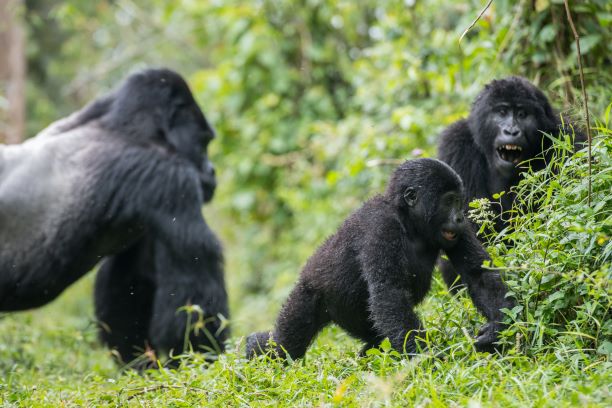
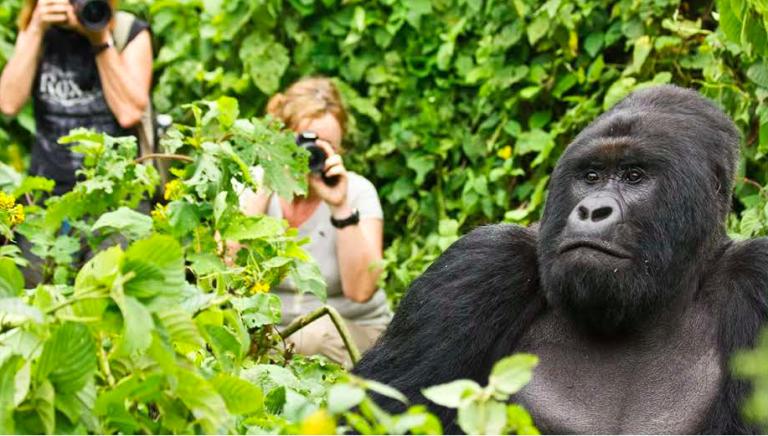
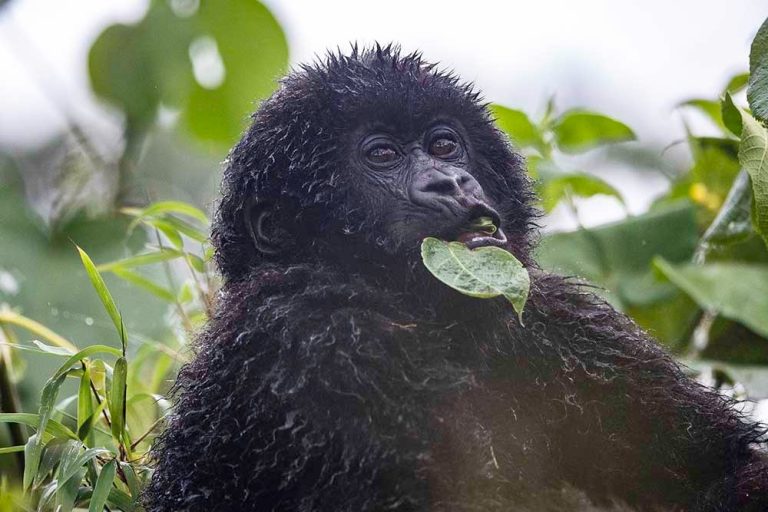
For international travellers, visiting the Bahá’í Temple can be a rewarding addition to a Uganda gorilla trekking safari.
After arriving at Entebbe International Airport, you can spend time exploring Kampala’s cultural and religious attractions before travelling to southwestern Uganda.
Your safari can include mountain gorilla trekking in:
- Bwindi Impenetrable National Park: Uganda’s famous destination for mountain gorilla trekking, with four trekking sectors.
- Mgahinga Gorilla National Park: A scenic destination in the Virunga Mountains, offering mountain gorilla trekking and golden monkey tracking.
Other activities can include chimpanzee tracking in Kibale Forest National Park, wildlife viewing in Queen Elizabeth National Park, a boat cruise along the Kazinga Channel and relaxation at Lake Bunyonyi.
Book Gorilla Tracking can help organise a Uganda itinerary that combines Kampala’s cultural heritage with unforgettable wildlife and primate experiences.
Frequently Asked Questions About Bahá’í Temple Uganda
1. How much is the entrance fee at Bahá’í Temple Uganda?
Entry to the Bahá’í Temple in Kampala is free according to the official visitor guidelines. Visitors are required to carry valid identification and follow the temple’s rules.
2. Is the Bahá’í Temple open to non-Bahá’ís?
Yes. The temple welcomes people of all religions, nationalities and backgrounds. Visitors can enter to pray, meditate, reflect or learn about the Bahá’í Faith.
3. What are the opening hours of Bahá’í Temple Kampala?
The temple is open from 8:00 AM to 6:30 PM, Tuesday through Sunday. It is closed on Mondays.
4. What time are Sunday prayers at Bahá’í Temple?
The official community devotional programme takes place every Sunday from 10:30 AM to 11:30 AM.
5. Can I take photographs at the Bahá’í Temple?
Outdoor photography is free in designated areas, subject to the visitor guidelines. Photography inside the Temple Auditorium is prohibited. Formal photography and video sessions require advance arrangements.
6. Can I have a picnic at Bahá’í Temple?
Yes. Picnics are allowed in designated areas, subject to management guidelines. Food, drinks and bags are inspected at the entrance, and visitors must keep the grounds clean.
7. Where is the Bahá’í Temple located?
The temple is situated on Kikaaya Hill in Kampala, north of the city centre, accessible from the Gayaza Road area.
8. How long should I spend at the Bahá’í Temple?
Allow approximately one to two hours for a general visit. Visitors attending Sunday prayers, exploring the gardens or arranging a picnic may wish to spend longer.
9. Is the Bahá’í Temple the only one in Africa?
No. It is the first Bahá’í House of Worship built in Africa and is known as the Mother Temple of Africa. Other Bahá’í Houses of Worship have since been established on the continent.
10. Can I visit the Bahá’í Temple before gorilla trekking?
Yes. The temple can be included in a Kampala city tour before travelling to Bwindi Impenetrable National Park or Mgahinga Gorilla National Park for mountain gorilla trekking.
Plan Your Bahá’í Temple Visit with Book Gorilla Tracking
The Bahá’í Temple is one of Kampala’s most rewarding cultural and religious attractions. Its distinctive architecture, peaceful gardens, free entry and welcoming atmosphere make it an excellent destination for travellers interested in Uganda’s cultural heritage.
Visitors can explore the House of Worship, attend Sunday community prayers, enjoy birdwatching, walk through the gardens and learn about the principles of the Bahá’í Faith.
You can also combine the visit with other Kampala attractions before continuing to Uganda’s national parks for gorilla trekking, chimpanzee tracking and wildlife safaris.
Contact Book Gorilla Tracking to include the Bahá’í Temple in your Kampala city tour and combine Uganda’s cultural attractions with an unforgettable gorilla trekking safari.